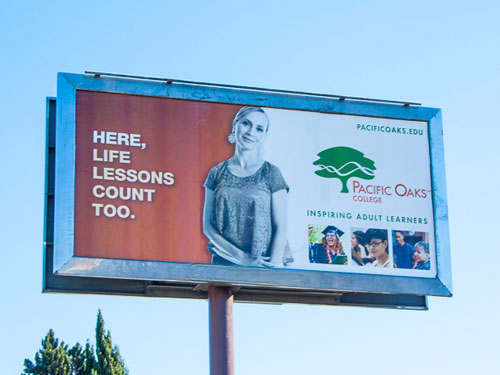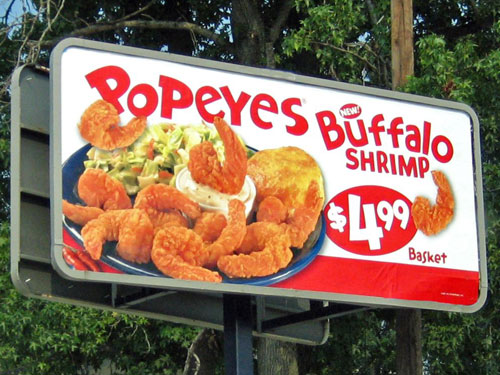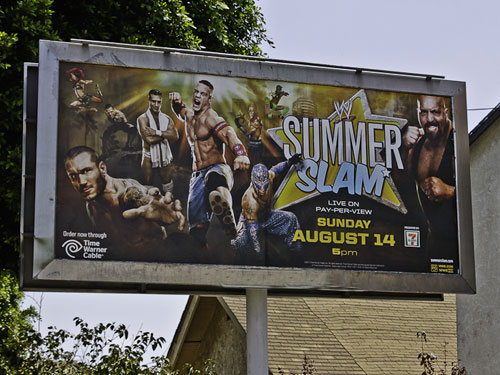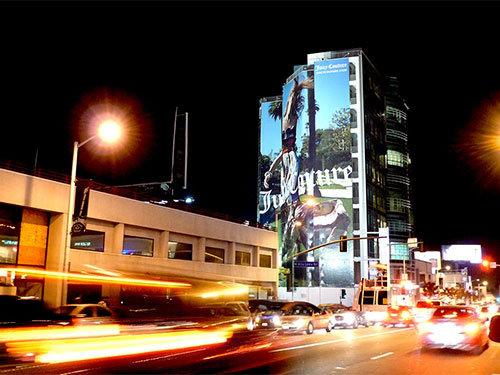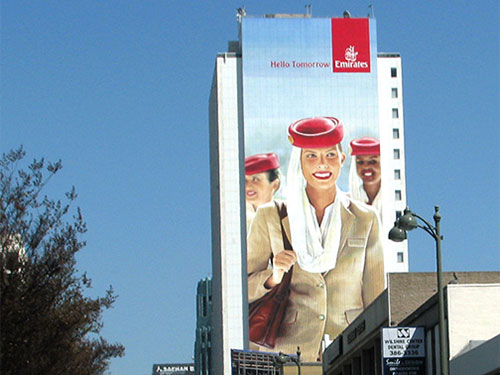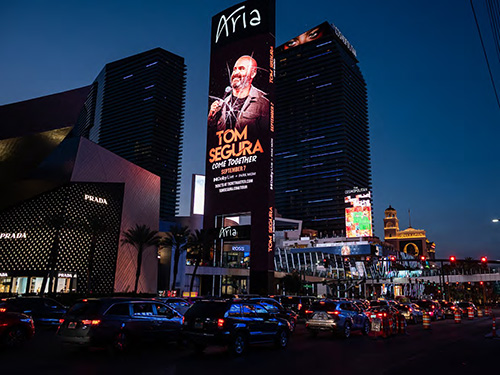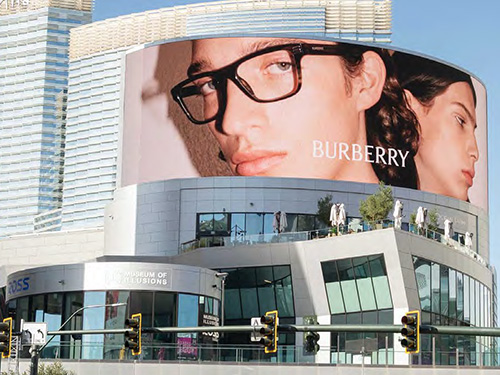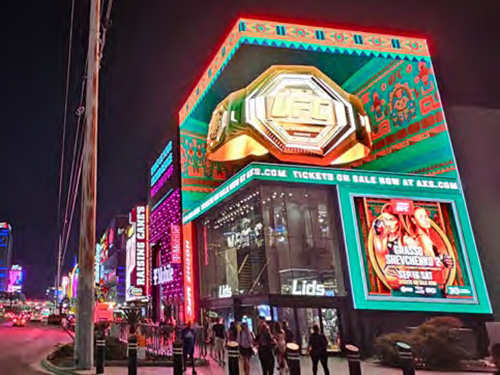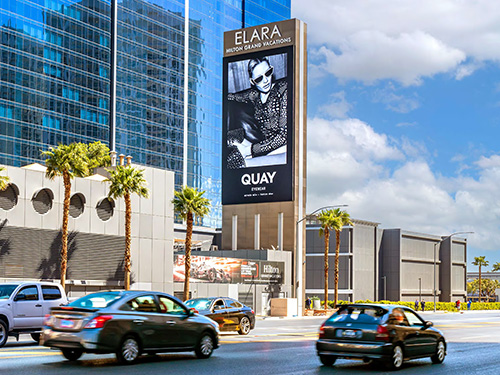
Map of Grand Rapids Billboards

Zoom in/out on map to see more.


Grand Rapids, MI Billboard Advertising Rates

  • $5,000 minimum spend which may be spread over displays and periods.
  • Get pricing: Pricing
Format Rate / Period (4 wks, est.) Avg. Imps (Age 18+) CPM (est.)
Bulletin (Large Billboard) Static $3,000–$8,000 428,321 $7–$19
Digital Bulletin (Large Digital Billboard) Digital $3,000–$5,000 336,479 $9–$15
Poster (Medium Billboard) Static $1,300–$2,000 217,465 $6–$9
Digital Poster (Medium Digital Billboard) Digital $1,300–$2,000 141,085 $9–$14

The Grand Rapids-Kalamazoo-Battle Creek DMA covers Kent, Ionia, Allegan, Barry, Kalamazoo, Calhoun, and Branch counties across West Michigan, with 3,005 billboard faces tracked across the market.

Billboard advertising in Grand Rapids starts at $1,300 per 4-week period. Static poster billboards (medium format) average $1,650 per 4-week period ($1,300–$2,000). Static bulletin billboards average $5,500 per 4-week period ($3,000–$8,000) and digital bulletin billboards average $4,000 per 4-week period ($3,000–$5,000).

Billboard advertising in Grand Rapids has CPMs starting at $6 per 4-week period. Static poster billboard CPMs average $8 ($6–$9) per 4-week period. Static bulletin billboard CPMs average $13 ($7–$19) and digital bulletin billboard CPMs average $12 ($9–$15).

Grand Rapids billboard advertising is available in static bulletin, digital bulletin, static poster, and digital poster formats across the DMA. Billboard density is highest along US-131 (14 faces), I-196 (7 faces), and 28th Street (4 faces).


Grand Rapids, MI Billboard Market Snapshot

The Grand Rapids, MI billboard market tracked by Blue Line Media includes 3,005 billboard faces, comprising 147 digital (LED) and 2,858 static (printed/mesh) displays. Billboard coverage is heaviest in Kent County, Kalamazoo County, Muskegon County, Calhoun County and Ottawa County. The market delivers approximately 235,883,877 weekly impressions (age 18+), equivalent to approximately 943,535,508 impressions over a standard 4-week campaign period.


Inventory by Location Type — Grand Rapids, MI

Urban — 29%
Suburban — 26%
Rural — 45%

Top Counties by Board Count — Grand Rapids, MI

CountyBillboard Faces
Kent County 864
Kalamazoo County 382
Muskegon County 342
Calhoun County 275
Ottawa County 272
Allegan County 189
Ionia County 161
Montcalm County 159
Van Buren County 117
Newaygo County 90

Major Billboard Corridors — Grand Rapids, MI

Road / CorridorBillboard Faces
US-131 (Grand Rapids Freeway) 14
I-196 7
28th Street 4
Division Avenue 4
M-6 (Paul Henry Freeway) 4

Sample Billboard Inventory — Grand Rapids, MI

Location / Road Format Direction 4-Week Imps (Age 18+)
US-131 .2 mi S/O Pearl St WS Static Bulletin N 5,541,152
US-131 .1 mi N/O Burton St WS Static Bulletin N 3,139,892
US-131 10 ft N/O Hall St WS Static Bulletin S 1,979,468
US-131 500 ft N/O Pearl St WS Static Bulletin N 1,842,256
US-131 .3 mi S/O Hall St WS Static Poster N 1,812,836
US-131 100 ft N/O Franklin St WS Static Bulletin SE 1,784,860
E/S US-131 0.3 MI N/O BURTON F/S Static Bulletin S 1,769,180
US-131 250 ft S/O Ann St WS Static Bulletin N 1,767,736

Grand Rapids, MI Billboard Advertising Market Data

No. of Billboards 3,005
Roads US-131 (Grand Rapids Freeway) (14 faces) — The primary north–south freeway through the heart of Grand Rapids, carrying the highest traffic volumes in the DMA and providing direct access to downtown Grand Rapids, the Medical Mile, the West Side, and the northern suburban communities — reaching daily commuters, Medical Mile workers, and metro-wide Grand Rapids audiences. I-196 (7 faces) — The east–west freeway connecting downtown Grand Rapids west through Wyoming, Hudsonville, Zeeland, and Holland toward Lake Michigan — reaching west suburban, manufacturing, and healthcare audiences along the Grand Rapids–Holland corridor. 28th Street (4 faces) — The major east–west commercial arterial running through the south suburban communities of Grand Rapids, Wyoming, and Kentwood — one of the highest-density retail strips in West Michigan, carrying strong daily traffic from shoppers, commuters, and residents of south Kent County. Division Avenue (4 faces) — The primary north–south surface arterial running through the urban core of Grand Rapids from the downtown Medical Mile south through the Burton Heights and Kentwood communities — a high-frequency corridor for reaching the city’s diverse urban and working-class residential audiences, with consistent daily traffic from commuters, retail customers, and residents throughout the corridor. M-6 (Paul Henry Freeway) (4 faces) — The southern beltway running east–west across the bottom of the Grand Rapids metro, connecting US-131 on the west through Wyoming, Kentwood, and Cascade to I-96 on the east — a strategic corridor for reaching the affluent southeast suburban communities and for capturing commuter and commercial traffic moving between the eastern and western suburbs without traveling through the downtown core. Additional coverage on I-96, M-44 (Alpine Avenue), M-37 (East Beltline Avenue), M-21, US-131 South, and I-94.
Attractions and Neighborhoods Frederik Meijer Gardens & Sculpture Park, Gerald R. Ford Presidential Museum, Grand Rapids Public Museum, John Ball Zoo, DeVos Place Convention Center, Van Andel Arena, Founders Brewing Company, ArtPrize venue district; Heritage Hill, Eastown, East Hills, Midtown, West Grand, Creston, Fulton Heights, Ottawa Hills, Alger Heights, Garfield Park, Burton Heights, South Hills, Grandville, Wyoming, Kentwood, Walker, Rockford; Kalamazoo (Kalamazoo County) including Western Michigan University, Kalamazoo College, and the Kalamazoo downtown arts district; Battle Creek (Calhoun County) including the Kellogg corporate campus; Holland (Ottawa County) including the Lake Michigan shoreline and the Holland Tulip Time Festival grounds
Population 1,350,000
DMA No. 39
Race White 82%
Hispanic 9%
Black 7%
Asian / Other 2%
Median Income $64,000
Median Age 38
Zip Codes 49501 49502 49503 49504 49505 49506 49507 49508 49510 49514 49515 49516 49518 49523 49525 49534 49546 49548 49555 49560 49588 49599

Billboard Advertising FAQ — Grand Rapids, MI

How much does billboard advertising cost in Grand Rapids, MI?

Billboard advertising in Grand Rapids starts at $1,300 per 4-week period. Static poster billboards (medium format) average $1,650 per 4-week period ($1,300–$2,000). Static bulletin billboards (large format, 14'×48') average $5,500 per 4 weeks ($3,000–$8,000). Digital bulletin billboards (LED, large format) average $4,000 per 4 weeks ($3,000–$5,000). A $5,000 minimum spend applies and may be spread across multiple boards and flight periods. Premium locations — including high-traffic US-131 interchanges, the 28th Street commercial strip, and key M-6 interchange positions — may be priced above these ranges depending on availability.

What is the CPM for billboard advertising in Grand Rapids, MI?

Billboard advertising in Grand Rapids has CPMs starting at $6 per 4-week period. Static poster billboards (medium billboards) average $8 CPM ($6–$9) per 4-week period. Static bulletin billboards (large billboards, 14'×48') average $13 CPM ($7–$19). Digital bulletin billboards average $12 CPM ($9–$15). Digital poster billboards average $12 CPM ($9–$14). CPMs are calculated using the average 4-week impressions (age 18+) for each format across all 3,005 billboard faces in the Grand Rapids-Kalamazoo-Battle Creek DMA.

How often will people see my billboard in Grand Rapids, MI?

A static bulletin in Grand Rapids delivers an average of 428,321 impressions (age 18+) over a 4-week campaign period. A digital bulletin delivers an average of 336,479 impressions over the same period. Commuters on major corridors like US-131, 28th Street, and Division Avenue typically pass the same billboard multiple times per week, making billboards one of the highest-frequency media formats available. Across all 3,005 billboard faces in the Grand Rapids-Kalamazoo-Battle Creek DMA, the market delivers approximately 943,535,508 total impressions per 4-week period.

What are the best roads for billboard advertising in Grand Rapids, MI?

The highest-density billboard corridors in the Grand Rapids DMA are US-131 (Grand Rapids Freeway) (14 faces), I-196 (7 faces), 28th Street (4 faces), Division Avenue (4 faces), and M-6 (Paul Henry Freeway) (4 faces). US-131 is the primary broad-reach corridor, running the full north–south length of the Grand Rapids urban core from the downtown Medical Mile through the West Side and north suburban communities. 28th Street anchors the south suburban buy through the high-density retail strip in Wyoming and Kentwood, while M-6 provides east–west bypass reach for the southeast suburban communities of Cascade and Caledonia.

How many billboards are in Grand Rapids, MI?

The Grand Rapids-Kalamazoo-Battle Creek DMA contains 3,005 billboard faces tracked by Blue Line Media across Kent, Ionia, Allegan, Barry, Kalamazoo, Calhoun, and Branch counties in Michigan. Of these, 147 are digital (LED) and 2,858 are static (printed/mesh), spanning bulletin and poster formats. Billboard coverage is concentrated in Kent County, which contains the Grand Rapids urban core and the highest-density corridors in the DMA, with additional inventory across Kalamazoo County serving the Kalamazoo metro and Battle Creek, and Ottawa County serving the Holland and Zeeland communities.

What types of billboards are available in Grand Rapids, MI?

Grand Rapids billboard inventory includes static bulletins (large format, 14'×48'), digital bulletins (LED, large format), static posters (medium format), and digital posters. Of the 3,005 faces in the Grand Rapids-Kalamazoo-Battle Creek DMA, 147 are digital (LED) and 2,858 are static (printed/mesh). 29% of inventory is in urban and urban business locations, 26% suburban, and 45% rural, offering flexible targeting across Grand Rapids audience densities.

When is the best time to advertise on billboards in Grand Rapids, MI?

Peak billboard demand in Grand Rapids runs from March through June and again in September through November, driven by the return of commuter traffic after winter and the spring home improvement and back-to-school retail cycles. The ArtPrize international art competition (September–October) is the single highest-audience-concentration event in the DMA and creates a strong demand window for downtown Grand Rapids locations. The West Michigan Whitecaps Minor League Baseball season (April–September) and the Grand Rapids Griffins AHL hockey season (October–April) generate consistent weekend audience traffic. West Michigan’s manufacturing and healthcare economy creates stable year-round billboard demand without major seasonal dropoffs. The late January through February window typically offers the best availability and negotiated rates, as post-holiday and post-football-season demand eases. A 2–3 week lead time is standard for most campaigns. Peak spring positions tend to book ahead of that window.

How does billboard advertising work in Grand Rapids, MI?

Getting started with billboard advertising in Grand Rapids is straightforward:

  1. Get a quote — Tell Blue Line Media your target area, budget, and campaign dates.
  2. Choose your billboard — Blue Line Media recommends available billboard locations matching your audience and flight.
  3. Provide creative or use our free design service.
  4. Go live — Boards are posted and your campaign runs for your contracted flight period.

What size are billboards in Grand Rapids, MI?

Billboard sizes in Grand Rapids follow industry-standard dimensions. Static bulletin billboards (large format) measure 14 feet high by 48 feet wide (14'×48'). Static poster billboards (medium format) measure 10.5 feet high by 22.75 feet wide (10.5'×22.75'). Digital bulletin billboards and digital poster billboards share the same dimensions as their static counterparts.

How far in advance do I need to book billboard advertising in Grand Rapids, MI?

As soon as possible, because advertising is sold on a first come, first served basis. Availability changes daily as campaigns book and end.

Creative Due Dates:

  • Static (Print): 2–3 weeks prior to ad start date. May be reduced in certain cases.
  • Digital: 3 business days prior to ad start date.

Can I target specific neighborhoods or areas with billboard advertising in Grand Rapids, MI?

Yes. Blue Line Media can filter available billboard inventory in the Grand Rapids DMA by corridor, zip code, or neighborhood, allowing advertisers to target specific communities such as downtown Grand Rapids and the Medical Mile, the Wyoming and Kentwood retail corridor, the Holland and Zeeland Lakeshore communities, the Walker and Rockford north suburban communities, or the Kalamazoo and Battle Creek metro areas. Campaigns can concentrate on a single zone or span multiple neighborhoods across the Greater Grand Rapids metro.

What are the most popular billboard locations in Grand Rapids, MI?

Among the most-viewed billboard corridors in the Grand Rapids DMA are US-131 (Grand Rapids Freeway), the primary north–south freeway through downtown Grand Rapids (14 faces), I-196, the east–west freeway to the Holland Lakeshore (7 faces), 28th Street, the premier retail arterial through Wyoming and Kentwood (4 faces), Division Avenue, the north–south urban corridor through south Grand Rapids (4 faces), and M-6 (Paul Henry Freeway), the southern beltway through the southeast suburban communities (4 faces). Blue Line Media can recommend specific billboard positions on these and other corridors based on current availability.

Blue Line Media logo

Copyright 2026 Blue Line Media Inc

Not all images represent ads placed by Blue Line Media. Images may be subject to copyright. Names and trade and service marks are property of their owners and are not intended to endorse Blue Line Media.

In accordance with its Accessibility Statement, Blue Line Media is committed to ensuring accessibility of its website. To report an accessibility issue, request accessibility assistance regarding website content, or to request a specific electronic format, please contact the accessibility coordinator at 800-807-0360 or complete the form. Reasonable efforts will be made to accommodate all needs.

By using this website, you consent to the placement and storing of cookies on your computer by this website. These cookies are used to collect information about how you interact with our website and allow us to remember you. We use this information in order to improve and customize your browsing experience and for analytics and metrics about our visitors both on this website and other media. To find out more about the cookies we use, see our Privacy Policy.

The Geopath Audience Location Measurement data is provided by the GeoPath, Inc. New York, New York. © Copyright 2026 All Rights Reserved.

Certain info and images may be AI-generated. Double-check important info and images.

BACK TO TOP