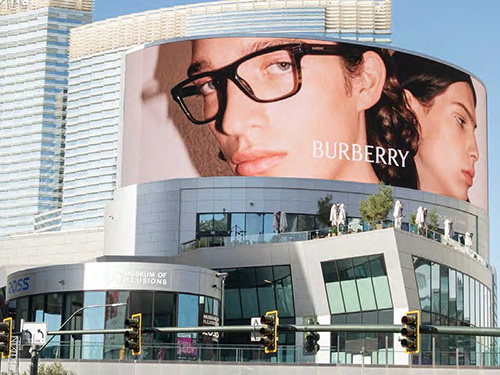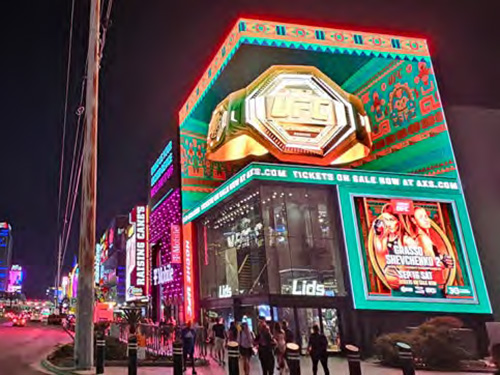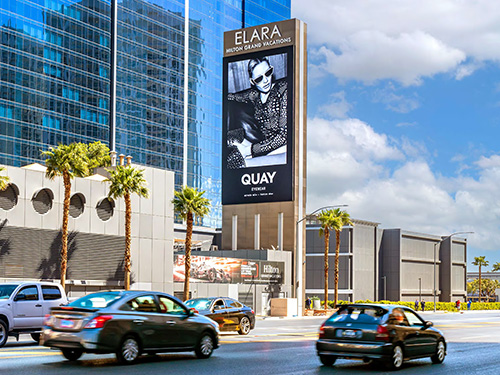
Map of Tucson Billboards

Zoom in/out on map to see more.


Tucson, AZ Billboard Advertising Rates

  • $5,000 minimum spend which may be spread over displays and periods.
  • Get pricing: Pricing
Format Rate / Period (4 wks, est.) Avg. Imps (Age 18+) CPM (est.)
Bulletin (Large Billboard) Static $3,000–$6,000 595,338 $5–$10
Digital Bulletin (Large Digital Billboard) Digital $3,000–$6,000 N/A N/A
Poster (Medium Billboard) Static $1,250–$2,000 414,223 $3–$5
Digital Poster (Medium Digital Billboard) Digital $1,500–$2,000 N/A N/A

The Tucson DMA covers Pima, Cochise, Santa Cruz, Graham, and surrounding counties across southern Arizona, with 642 billboard faces tracked across the market.

Billboard advertising in Tucson starts at $1,250 per 4-week period. Static poster billboards (medium format) average $1,625 per 4-week period ($1,250–$2,000). Static bulletin billboards average $4,500 per 4-week period ($3,000–$6,000) and digital bulletin billboards average $4,500 per 4-week period ($3,000–$6,000).

Billboard advertising in Tucson has CPMs starting at $3 per 4-week period. Static poster billboard CPMs average $4 ($3–$5) per 4-week period. Static bulletin billboard CPMs average $8 ($5–$10) per 4-week period.

Tucson billboard advertising is available in static bulletin, digital bulletin, static poster, and digital poster formats across the DMA. Billboard density is heavily concentrated along Interstate 10 (151 faces), followed by Speedway Boulevard (41 faces) and Oracle Road (35 faces).


Tucson, AZ Billboard Market Snapshot

The Tucson, AZ billboard market tracked by Blue Line Media includes 642 billboard faces, comprising 0 digital (LED) and 642 static (printed/mesh) displays. Billboard coverage spans 3+ counties, with the heaviest concentration in Pima County, Cochise County and Santa Cruz County. The market delivers approximately 78,129,667 weekly impressions (age 18+), equivalent to approximately 312,518,668 impressions over a standard 4-week campaign period.


Inventory by Location Type — Tucson, AZ

Urban — 79%
Suburban — 0%
Rural — 21%

Board Count by County — Tucson, AZ

CountyBillboard Faces
Pima County 483
Cochise County 111
Santa Cruz County 48

Top Roads by Billboard Density — Tucson, AZ

Road / CorridorBillboard Faces
Interstate 10 151
Speedway Boulevard 41
Oracle Road (US-89) 35
22nd Street 28
Stone Avenue 28

Sample Billboard Inventory — Tucson, AZ

Location / Road Format Direction 4-Week Imps (Age 18+)
I-10 Static Bulletin SE 3,295,908
Oracle Static Bulletin N 1,943,132
Alvernon Static Bulletin S 1,783,208
Broadway Static Bulletin E 1,416,296
Swan Static Poster N 1,358,640

Tucson, AZ Billboard Advertising Market Data

No. of Billboards 642
Roads Interstate 10 (151 faces) — the dominant interstate of the Tucson DMA, running east–west through the full metro from the Pima County / Santa Cruz County line through downtown Tucson and northwest toward Phoenix — the highest-density billboard corridor in southern Arizona, reaching commuter, regional, and interstate audiences. Speedway Boulevard (41 faces) — the primary east–west surface arterial of the Tucson metro, running from the Tucson Mountains through the University of Arizona campus area and east through the major retail nodes of East Tucson toward the Rincon Mountain foothills — the primary commercial spine of midtown Tucson, reaching University of Arizona, retail, and east side audiences. Oracle Road (US-89) (35 faces) — the primary north–south surface arterial through northwest Tucson, running from downtown through the Miracle Mile district, Flowing Wells, and Marana toward Oracle — reaching northwest Tucson residential, retail, and Marana corridor audiences. 22nd Street (28 faces) — a major east–west arterial through south-central Tucson, connecting the I-19 corridor through South Tucson east toward Tucson Estates — reaching south-central and South Tucson residential and commuter audiences. Stone Avenue (28 faces) — the primary north–south surface street through the downtown Tucson core, running from South Tucson north through the historic downtown district, the Arts District, and the midtown neighborhoods of El Presidio, Armory Park, and Dunbar Spring — reaching downtown, arts district, and midtown neighborhood audiences. Additional coverage on Interstate 19, Grant Road, Valencia Road, Alvernon Way, and Broadway Boulevard.
Attractions and Neighborhoods University of Arizona, Saguaro National Park (East and West Districts), Davis-Monthan Air Force Base, Reid Park Zoo, Tucson Botanical Garden, Arizona-Sonora Desert Museum, International Gem & Mineral Show venues; Downtown / Historic: El Presidio, Barrio Historico, Armory Park, Barrio Santa Rosa, West University, Iron Horse, Fourth Avenue; Midtown: Sam Hughes, Blenman-Elm, Dunbar Spring, Rincon Heights; East Tucson: Tanque Verde, Civano, Rita Ranch, Pantano; North Tucson / Suburbs: Catalina Foothills, Oro Valley, Casas Adobes, Marana, Flowing Wells; South Tucson: South Tucson (independent city), Drexel Heights, Valencia West; Green Valley, Sahuarita; Sierra Vista, Nogales (Santa Cruz County)
Population 1,200,000
DMA No. 68
Race White 48%
Hispanic 38%
Black 4%
Asian / Other 10%
Median Income $57,000
Median Age 37
Zip Codes 85641 85701 85702 85703 85704 85705 85706 85707 85708 85709 85710 85711 85712 85713 85714 85715 85716 85717 85718 85719 85720 85721 85722 85723 85724 85725 85726 85728 85730 85731 85732 85733 85734 85741 85744 85745 85746 85747 85748 85749 85750 85754 85756 85775 86714

Billboard Advertising FAQ — Tucson, AZ

How much does billboard advertising cost in Tucson, AZ?

Billboard advertising in Tucson starts at $1,250 per 4-week period. Static poster billboards (medium format) average $1,625 per 4-week period ($1,250–$2,000). Static bulletin billboards (large format, 14'×48') average $4,500 per 4 weeks ($3,000–$6,000). Digital bulletin billboards (LED, large format) average $4,500 per 4 weeks ($3,000–$6,000). A $5,000 minimum spend applies and may be spread across multiple boards and flight periods. Premium locations — including I-10 interchange positions serving the Tucson core and high-visibility positions along Speedway Boulevard and Oracle Road — may be priced above these ranges depending on availability.

What is the CPM for billboard advertising in Tucson, AZ?

Billboard advertising in Tucson has CPMs starting at $3 per 4-week period. Static poster billboards (medium billboards) average $4 CPM ($3–$5) per 4-week period. Static bulletin billboards (large billboards, 14'×48') average $8 CPM ($5–$10) per 4-week period. CPMs are calculated using the average 4-week impressions (age 18+) for each format across all 642 billboard faces in the Tucson DMA.

How often will people see my billboard in Tucson, AZ?

A static bulletin in Tucson delivers an average of 595,338 impressions (age 18+) over a 4-week campaign period. Commuters on major corridors like Interstate 10, Speedway Boulevard, and Oracle Road typically pass the same billboard multiple times per week, making billboards one of the highest-frequency media formats available. Across all 642 billboard faces in the Tucson DMA, the market delivers approximately 312,518,668 total impressions per 4-week period.

What are the best roads for billboard advertising in Tucson, AZ?

The highest-density billboard corridors in the Tucson DMA are Interstate 10 (151 faces), Speedway Boulevard (41 faces), Oracle Road (US-89) (35 faces), 22nd Street (28 faces), and Stone Avenue (28 faces). Interstate 10 is the dominant reach corridor of the entire market, carrying the full volume of metro through-traffic, commuters, and commercial freight on the only interstate through the Tucson metro, with the overwhelming majority of all DMA billboard faces concentrated along the I-10 corridor. Speedway Boulevard and Oracle Road (US-89) are the primary surface-street complements, serving the University of Arizona district, the midtown commercial spine, and the northwest Tucson and Marana suburban communities respectively. Additional coverage on Interstate 19, Grant Road, Valencia Road, Alvernon Way, and Broadway Boulevard.

How many billboards are in Tucson, AZ?

The Tucson DMA contains 642 billboard faces tracked by Blue Line Media across Pima County, Cochise County, Santa Cruz County, Graham County, and surrounding counties in southern Arizona. Of these, 642 are static (printed/mesh), spanning bulletin and poster formats. Billboard coverage reaches 3+ counties in the DMA, with the highest concentrations in Pima County across Tucson, Marana, Oro Valley, and Sahuarita.

What types of billboards are available in Tucson, AZ?

Tucson billboard inventory includes static bulletins (large format, 14'×48'), digital bulletins (LED, large format), static posters (medium format), digital posters, and wallscapes. The Tucson DMA features 642 static (printed/mesh) billboard faces. 79% of inventory is in urban and urban business locations, 0% suburban, and 21% rural, offering flexible targeting across Tucson audience densities.

When is the best time to advertise on billboards in Tucson, AZ?

Tucson has a uniquely reversed advertising season compared to most US markets — the peak outdoor advertising period runs October through April, when the Sonoran Desert climate draws the full snowbird and winter visitor population to southern Arizona. The winter peak (November–March) is the strongest period in the DMA. The Tucson Gem & Mineral Show (February) is the single largest annual event in the DMA, generating billboard demand across all Tucson corridors. The Tucson Rodeo / La Fiesta de los Vaqueros (February) brings major regional attendance to the south Tucson corridors. University of Arizona Wildcats basketball (November–March) drives consistent arena-area demand at McKale Center near Speedway and Campbell. Snowbird-season retail, healthcare, and real estate demand peaks November–April across all Tucson commercial corridors. The spring shoulder (March–May) is strong: the Tucson Festival of Books (March), UA spring sports including Arizona Wildcats baseball at Hi Corbett Field, and spring retiree-market activity. The fall (August–October) activates the University of Arizona back-to-school and football season at Arizona Stadium, providing concentrated demand in the UA and midtown corridors. The summer off-peak window (June–August) is the best time to negotiate rates and secure preferred I-10 corridor positions. Davis-Monthan AFB and Raytheon Missiles & Defense drive consistent year-round demand. Book 4–6 weeks ahead for Gem & Mineral Show corridor positions in February, and for peak snowbird-season positions November–January.

How does billboard advertising work in Tucson, AZ?

Getting started with billboard advertising in Tucson is straightforward:

  1. Get a quote — Tell Blue Line Media your target area, budget, and campaign dates.
  2. Choose your billboard — Blue Line Media recommends available billboard locations matching your audience and flight.
  3. Provide creative or use our free design service.
  4. Go live — Boards are posted and your campaign runs for your contracted flight period.

What size are billboards in Tucson, AZ?

Billboard sizes in Tucson follow industry-standard dimensions. Static bulletin billboards (large format) measure 14 feet high by 48 feet wide (14'×48'). Static poster billboards (medium format) measure 10.5 feet high by 22.75 feet wide (10.5'×22.75'). Digital bulletin billboards and digital poster billboards share the same dimensions as their static counterparts.

How far in advance do I need to book billboard advertising in Tucson, AZ?

As soon as possible, because advertising is sold on a first come, first served basis. Availability changes daily as campaigns book and end.

Creative Due Dates:

  • Static (Print): 2–3 weeks prior to ad start date. May be reduced in certain cases.
  • Digital: 3 business days prior to ad start date.

Can I target specific neighborhoods or areas with billboard advertising in Tucson, AZ?

Yes. The Tucson DMA offers distinct sub-market targeting across five areas. The University of Arizona and midtown sub-market covers the UA campus area, reaching McKale Center, Arizona Stadium, and the Fourth Avenue and University Boulevard commercial districts. The north Tucson sub-market covers the fast-growing communities of Marana, Oro Valley, and the Catalina Foothills. The south Tucson sub-market reaches South Tucson, Drexel Heights, and the Nogales border communities in southern Pima County. The east Tucson sub-market covers the residential neighborhoods of Sam Hughes, Tanque Verde, and Rita Ranch near Saguaro National Park East. The Sierra Vista and Cochise County sub-market reaches Fort Huachuca, Sierra Vista, and Bisbee in the southeastern DMA.

What are the most popular billboard locations in Tucson, AZ?

Among the most-viewed billboard corridors in the Tucson DMA are Interstate 10, the dominant metro interstate (151 faces), Speedway Boulevard, the main east–west midtown arterial (41 faces), Oracle Road (US-89), the primary northwest Tucson and Marana corridor (35 faces), 22nd Street, the main south-central Tucson arterial (28 faces), and Stone Avenue, the primary downtown and midtown corridor (28 faces). Blue Line Media can recommend specific billboard positions on these and other corridors based on current availability.

Blue Line Media logo

Copyright 2026 Blue Line Media Inc

Not all images represent ads placed by Blue Line Media. Images may be subject to copyright. Names and trade and service marks are property of their owners and are not intended to endorse Blue Line Media.

In accordance with its Accessibility Statement, Blue Line Media is committed to ensuring accessibility of its website. To report an accessibility issue, request accessibility assistance regarding website content, or to request a specific electronic format, please contact the accessibility coordinator at 800-807-0360 or complete the form. Reasonable efforts will be made to accommodate all needs.

By using this website, you consent to the placement and storing of cookies on your computer by this website. These cookies are used to collect information about how you interact with our website and allow us to remember you. We use this information in order to improve and customize your browsing experience and for analytics and metrics about our visitors both on this website and other media. To find out more about the cookies we use, see our Privacy Policy.

The Geopath Audience Location Measurement data is provided by the GeoPath, Inc. New York, New York. © Copyright 2026 All Rights Reserved.

Certain info and images may be AI-generated. Double-check important info and images.

BACK TO TOP