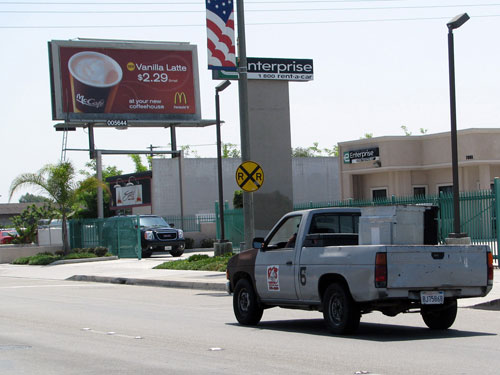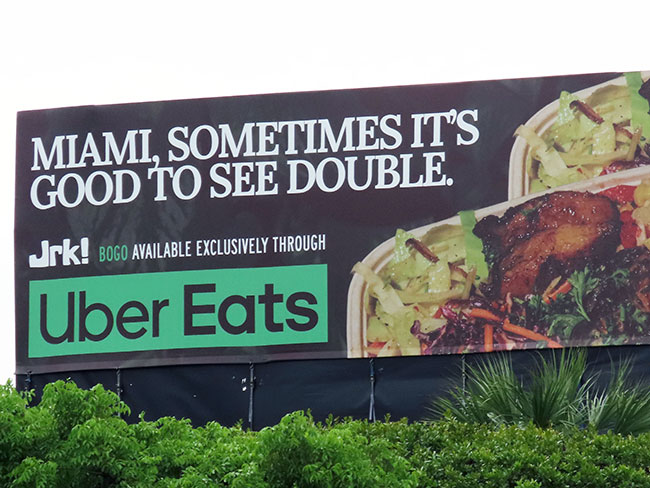
Map of Richmond Billboards

Zoom in/out on map to see more.


Richmond, VA Billboard Advertising Rates

  • $5,000 minimum spend which may be spread over displays and periods.
  • Get pricing: Pricing
Format Rate / Period (4 wks, est.) Avg. Imps (Age 18+) CPM (est.)
Bulletin (Large Billboard) Static $4,000–$6,000 1,085,762 $4–$6
Digital Bulletin (Large Digital Billboard) Digital $4,000–$6,000 1,056,668 $4–$6
Poster (Medium Billboard) Static $1,500–$2,000 253,805 $6–$8
Digital Poster (Medium Digital Billboard) Digital $2,000–$2,500 308,738 $6–$8

The Richmond DMA covers Richmond City, Henrico County, Chesterfield County, Hanover County, Powhatan County, Prince George County, Dinwiddie County, and surrounding counties across central Virginia, with 867 billboard faces tracked across the market.

Billboard advertising in Richmond starts at $1,500 per 4-week period. Static poster billboards (medium format) average $1,750 per 4-week period ($1,500–$2,000). Static bulletin billboards average $5,000 per 4-week period ($4,000–$6,000) and digital bulletin billboards average $5,000 per 4-week period ($4,000–$6,000).

Billboard advertising in Richmond has CPMs starting at $4 per 4-week period. Static poster billboard CPMs average $7 ($6–$8) per 4-week period. Static bulletin billboard CPMs average $5 ($4–$6) and digital bulletin billboard CPMs average $5 ($4–$6).

The Richmond DMA offers 44 digital and 823 static billboard faces across bulletin and poster formats. Billboard density is highest along Interstate 95 (2 faces), Westwood Avenue (2 faces), Route 360/Hull Street Road (2 faces), Temple Avenue (2 faces), and Jefferson Davis Highway/US-1 (2 faces).


Richmond, VA Billboard Market Snapshot

The Richmond, VA billboard market tracked by Blue Line Media includes 867 billboard faces, comprising 44 digital (LED) and 823 static (printed/mesh) displays. Billboard coverage spans 5+ counties, with the heaviest concentration in Richmond city, Chesterfield County, Henrico County, Petersburg city and Prince George County. The market delivers approximately 121,616,672 weekly impressions (age 18+), equivalent to approximately 486,466,688 impressions over a standard 4-week campaign period.


Inventory by Location Type — Richmond, VA

Urban — 75%
Suburban — 0%
Rural — 25%

Board Count by County — Richmond, VA

CountyBillboard Faces
Richmond city 239
Chesterfield County 148
Henrico County 147
Petersburg city 59
Prince George County 38

Top Roads by Billboard Density — Richmond, VA

Road / CorridorBillboard Faces
Interstate 95 2
Westwood Avenue 2
Route 360 / Hull Street Road 2
Temple Avenue / Petersburg Gateway 2
Jefferson Davis Highway / US-1 2

Sample Billboard Inventory — Richmond, VA

Location / Road Format Direction 4-Week Imps (Age 18+)
E/S I-195 1ST N/O WESTWOOD F/N #1 Static Bulletin N 8,455,272
E/S I-195 1ST N/O WESTWOOD F/S #1 Static Bulletin S 4,222,976
E/S I-195 .5 MI. N/O HAMILTON ST F/N Static Bulletin N 4,218,208
E/S I-195 .5 MI. N/O HAMILTON ST F/S Static Bulletin SW 4,091,100
W/S 1-I95 .5 MI N/O HAMILTON ST, F/NE Static Bulletin NE 3,855,108
E/S I-95 10TH N/O BELVIDERE ST, F/N Static Bulletin NW 2,667,288
E/S I-95 1ST N/O BELVIDERE ST, F/S Static Bulletin SE 2,665,884
E/S I-95 2ND N/O BELVIDERE ST, F/S Static Bulletin SE 2,479,900

Richmond, VA Billboard Advertising Market Data

No. of Billboards 867
Roads Interstate 95 (2 faces) — The primary north–south interstate spine through the Richmond DMA, running from the Chesterfield County southern suburbs north through downtown Richmond, the Northside, and Hanover County, connecting Richmond to Washington D.C. to the north and Petersburg to the south — carrying the heaviest combined commercial truck, commuter, and through-traveler volume of any corridor in the DMA. Westwood Avenue (2 faces) — A primary commercial and residential arterial in Richmond’s Northside district near the Laburnum Avenue intersection, serving Scott’s Addition, Highland Park, and Bellevue — carrying consistent daily commuter and local retail traffic through one of the most densely populated residential sections of Richmond. Route 360 / Hull Street Road (2 faces) — The primary east–west arterial through Chesterfield County and Southside Richmond, running from downtown Richmond southwest through Midlothian to the rural communities of Amelia County and beyond — reaching commuter and suburban retail audiences through the high-density commercial nodes of Midlothian and Hull Street in one of the most active suburban growth corridors in the DMA. Temple Avenue / Petersburg Gateway (2 faces) — The primary commercial arterial along the Appomattox River corridor in Petersburg, serving as the gateway between the City of Petersburg and the Prince George County and Hopewell communities south of the James River — reaching commuter, regional, and Southside Virginia audiences at the most prominent gateway position in the Petersburg sub-market. Jefferson Davis Highway / US-1 (2 faces) — The historic north–south US Route 1 running through Chesterfield County south of Richmond, connecting the southern suburbs of Richmond through Colonial Heights and into the Tri-Cities region of Petersburg, Hopewell, and Colonial Heights — reaching commuter and suburban audiences along the primary surface arterial linking Richmond’s southern suburbs to the Petersburg and Tri-Cities metro. Additional billboard coverage is available on Interstate 64, Interstate 295, Midlothian Turnpike/US-60, US-1/Chamberlayne Avenue, and Broad Street/US-250.
Attractions and Neighborhoods Virginia State Capitol, Governor’s Mansion, Monument Avenue, Virginia Museum of Fine Arts (VMFA), Science Museum of Virginia, Lewis Ginter Botanical Garden, Richmond Raceway (NASCAR), The Diamond (Richmond Flying Squirrels — MiLB), VCU (Virginia Commonwealth University), University of Richmond, Virginia Union University; Carytown, Scott’s Addition, Shockoe Bottom, Shockoe Slip, Fan District, Church Hill, Jackson Ward, Museum District, Oregon Hill, Manchester, Southside; Henrico County: Short Pump, Innsbrook, Willow Lawn, Regency Square; Chesterfield County: Midlothian, Chesterfield Town Center, Chester, Colonial Heights; Hanover County: Ashland, Mechanicsville; Petersburg, Hopewell, Fort Gregg-Adams (Prince George County); Meadow Event Park (State Fair of Virginia)
Population 1,300,000
DMA No. 58
Race White 62%
Black 29%
Hispanic 5%
Asian / Other 4%
Median Income $70,000
Median Age 39
Zip Codes 23173 23218 23219 23220 23221 23222 23223 23224 23225 23226 23227 23230 23231 23232 23234 23235 23241 23249 23260 23261 23269 23274 23276 23278 23279 23282 23284 23285 23286 23289 23290 23291 23292 23293 23295 23298

Billboard Advertising FAQ — Richmond, VA

How much does billboard advertising cost in Richmond, VA?

Billboard advertising in Richmond starts at $1,500 per 4-week period. Static poster billboards (medium format) average $1,750 per 4-week period ($1,500–$2,000). Static bulletin billboards (large format, 14'×48') average $5,000 per 4 weeks ($4,000–$6,000). Digital bulletin billboards (LED, large format) average $5,000 per 4 weeks ($4,000–$6,000). A $5,000 minimum spend applies and may be spread across multiple boards and flight periods. Premium locations — including high-visibility positions on I-95 through the Richmond metro core, I-64 through the Short Pump and western Henrico County growth corridor, and Midlothian Turnpike through the Chesterfield County retail strip — may be priced above these ranges depending on availability.

What is the CPM for billboard advertising in Richmond, VA?

Billboard advertising in Richmond has CPMs starting at $4 per 4-week period. Static poster billboards (medium billboards) average $7 CPM ($6–$8) per 4-week period. Static bulletin billboards (large billboards, 14'×48') average $5 CPM ($4–$6). Digital bulletin billboards average $5 CPM ($4–$6). Digital poster billboards average $7 CPM ($6–$8). CPMs are calculated using the average 4-week impressions (age 18+) for each format across all 867 billboard faces in the Richmond DMA.

How often will people see my billboard in Richmond, VA?

A static bulletin in Richmond delivers an average of 1,085,762 impressions (age 18+) over a 4-week campaign period. A digital bulletin delivers an average of 1,056,668 impressions over the same period. Commuters on major corridors like Interstate 95, Interstate 64, and Route 360/Hull Street Road typically pass the same billboard multiple times per week, making billboards one of the highest-frequency media formats available. Across all 867 billboard faces in the Richmond DMA, the market delivers approximately 486,466,688 total impressions per 4-week period.

What are the best roads for billboard advertising in Richmond, VA?

The highest-density billboard corridors in the Richmond DMA are Interstate 95 (2 faces), Westwood Avenue (2 faces), Route 360 / Hull Street Road (2 faces), Temple Avenue / Petersburg Gateway (2 faces), and Jefferson Davis Highway / US-1 (2 faces). Additional billboard coverage is available on Interstate 64, Interstate 295, Midlothian Turnpike/US-60, US-1/Chamberlayne Avenue, and Broad Street/US-250.

How many billboards are in Richmond, VA?

The Richmond DMA contains 867 billboard faces tracked by Blue Line Media across Richmond City, Henrico County, Chesterfield County, Hanover County, Prince George County, Dinwiddie County, and surrounding counties. Of these, 44 are digital (LED) and 823 are static (printed/mesh), spanning bulletin and poster formats. Billboard coverage reaches 5+ counties in the DMA, with the highest concentrations in Chesterfield County, which contains the fast-growing Midlothian and Chester suburban corridors and the largest share of the DMA’s total residential population, and Richmond City, which contains the State Capitol, VCU, Monument Avenue, Carytown, and the highest-density urban commercial corridors in the DMA.

What types of billboards are available in Richmond, VA?

Richmond billboard inventory includes static bulletins (large format, 14'×48'), digital bulletins (LED, large format), static posters (medium format) and digital posters. Of the 867 faces in the Richmond DMA, 44 are digital (LED) and 823 are static (printed/mesh). 75% of inventory is in urban and urban business locations, 0% suburban, and 25% rural, offering flexible targeting across Richmond audience densities.

When is the best time to advertise on billboards in Richmond, VA?

The Richmond DMA sees its highest billboard demand in spring and fall. The fall peak runs September through November, anchored by NASCAR Cup Series race weekend at Richmond Raceway in September and the State Fair of Virginia in October at Meadow Event Park. Year-end retail demand sustains strong demand through November across the Chesterfield County and western Henrico County corridors. The spring peak runs March through May, with the Monument Avenue 10K in April bringing large crowds to Richmond’s most famous boulevard. The off-peak window runs December through February, when advertiser demand softens and rate flexibility is highest. Advertisers targeting Richmond Raceway NASCAR weekends should plan 4–6 weeks in advance.

How does billboard advertising work in Richmond, VA?

Getting started with billboard advertising in Richmond is straightforward:

  1. Get a quote — Tell Blue Line Media your target area, budget, and campaign dates.
  2. Choose your billboard — Blue Line Media recommends available billboard locations matching your audience and flight.
  3. Provide creative or use our free design service.
  4. Go live — Boards are posted and your campaign runs for your contracted flight period.

What size are billboards in Richmond, VA?

Billboard sizes in Richmond follow industry-standard dimensions. Static bulletin billboards (large format) measure 14 feet high by 48 feet wide (14'×48'). Static poster billboards (medium format) measure 10.5 feet high by 22.75 feet wide (10.5'×22.75'). Digital bulletin billboards and digital poster billboards share the same dimensions as their static counterparts.

How far in advance do I need to book billboard advertising in Richmond, VA?

As soon as possible, because advertising is sold on a first come, first served basis. Availability changes daily as campaigns book and end.

Creative Due Dates:

  • Static (Print): 2–3 weeks prior to ad start date. May be reduced in certain cases.
  • Digital: 3 business days prior to ad start date.

Can I target specific neighborhoods or areas with billboard advertising in Richmond, VA?

Yes. The Richmond DMA offers distinct sub-market targeting across 5 areas. The downtown Richmond and urban core sub-market along I-95, I-64, and Broad Street serves Richmond City, VCU, and the Carytown and Museum District corridors. The Chesterfield County and Southside sub-market along Route 360 and Midlothian Turnpike covers Midlothian, Chester, and Moseley. The western Henrico County sub-market along I-64 and US-250 reaches Short Pump, Innsbrook, and Regency Square. The Northside sub-market along Westwood Avenue, Laburnum Avenue, and Chamberlayne Avenue covers Scott’s Addition, Highland Park, and Bellevue. The Tri-Cities sub-market along I-95 south, Jefferson Davis Highway, and Temple Avenue covers Petersburg, Colonial Heights, and Hopewell.

What are the most popular billboard locations in Richmond, VA?

Among the most-viewed billboard corridors in the Richmond DMA are Interstate 95 (2 faces), Westwood Avenue (2 faces), Route 360/Hull Street Road (2 faces), Temple Avenue (2 faces), and Jefferson Davis Highway/US-1 (2 faces). Blue Line Media can recommend specific billboard positions on these and other corridors based on current availability.

Blue Line Media logo

Copyright 2026 Blue Line Media Inc

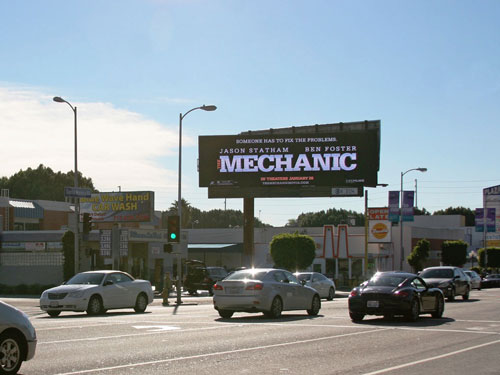
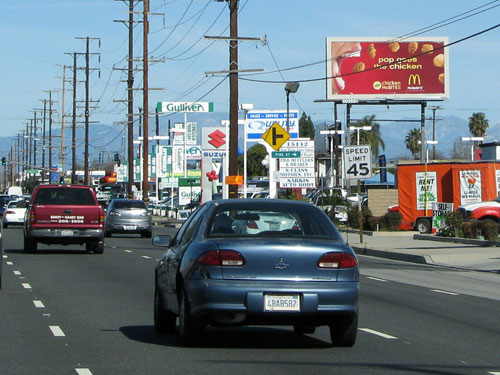
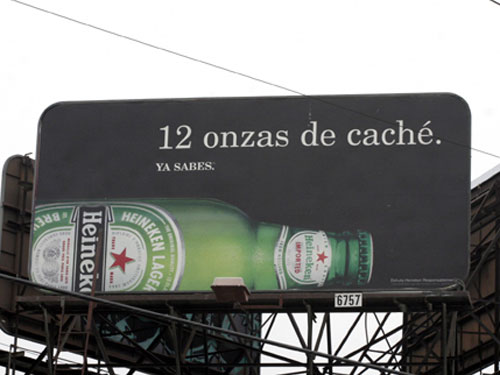
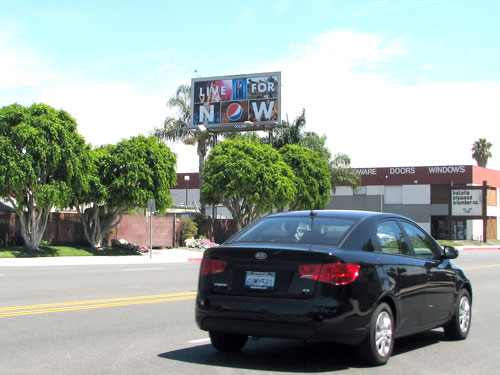
Not all images represent ads placed by Blue Line Media. Images may be subject to copyright. Names and trade and service marks are property of their owners and are not intended to endorse Blue Line Media.

In accordance with its Accessibility Statement, Blue Line Media is committed to ensuring accessibility of its website. To report an accessibility issue, request accessibility assistance regarding website content, or to request a specific electronic format, please contact the accessibility coordinator at 800-807-0360 or complete the form. Reasonable efforts will be made to accommodate all needs.

By using this website, you consent to the placement and storing of cookies on your computer by this website. These cookies are used to collect information about how you interact with our website and allow us to remember you. We use this information in order to improve and customize your browsing experience and for analytics and metrics about our visitors both on this website and other media. To find out more about the cookies we use, see our Privacy Policy.

The Geopath Audience Location Measurement data is provided by the GeoPath, Inc. New York, New York. © Copyright 2026 All Rights Reserved.

Certain info and images may be AI-generated. Double-check important info and images.

BACK TO TOP