Map of Myrtle Beach–Florence Billboards

Zoom in/out on map to see more.


Myrtle Beach–Florence, SC Billboard Advertising Rates

  • $5,000 minimum spend which may be spread over displays and periods.
  • Get pricing: Pricing
Format Rate / Period (4 wks, est.) Avg. Imps (Age 18+) CPM (est.)
Bulletin (Large Billboard) Static $1,000–$3,700 409,636 $2–$9
Digital Bulletin (Large Digital Billboard) Digital $1,500–$3,700 449,932 $3–$8
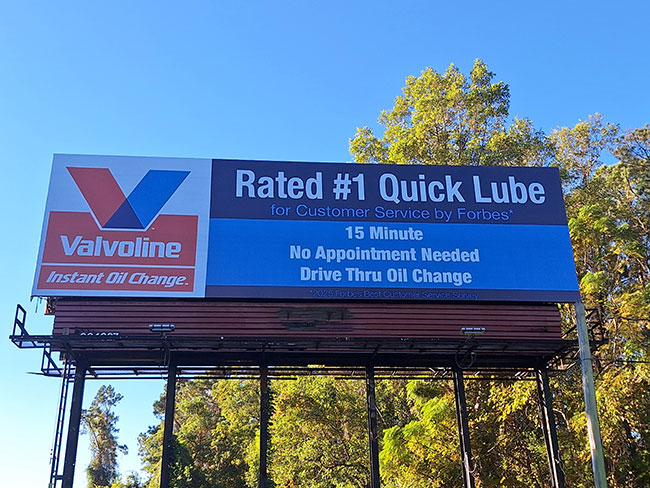
Poster (Medium Billboard) Static $600–$1,100 240,619 $2–$5
Digital Poster (Medium Digital Billboard) Digital $1,000–$1,500 237,355 $4–$6

The Myrtle Beach–Florence, SC DMA covers Horry, Georgetown, Florence, Marion, Dillon, and surrounding South Carolina Pee Dee and Grand Strand counties, with 3,347 billboard faces tracked across the market.

Billboard advertising in Myrtle Beach–Florence starts at $600 per 4-week period. Static poster billboards (medium format) average $850 per 4-week period ($600–$1,100). Static bulletin billboards average $2,350 per 4-week period ($1,000–$3,700). Digital bulletin billboards average $2,600 per 4-week period ($1,500–$3,700). Digital poster billboards average $1,250 per 4-week period ($1,000–$1,500). The $5,000 minimum spend may be spread across multiple boards and flight periods.

Billboard advertising in Myrtle Beach–Florence has CPMs starting at $2 per 4-week period. Static poster billboard CPMs average $4 ($2–$5) per 4-week period. Static bulletin billboard CPMs average $6 ($2–$9). Digital bulletin billboard CPMs average $6 ($3–$8). Digital poster billboard CPMs average $5 ($4–$6).

Myrtle Beach–Florence billboard advertising is available in static bulletin, digital bulletin, static poster, and digital poster formats across the DMA. Billboard density is highest along Interstate 95 (110 faces), US Highway 501 (96 faces), and US Highway 17 Bypass (51 faces).


Myrtle Beach-Florence, SC Billboard Market Snapshot

The Myrtle Beach-Florence, SC billboard market tracked by Blue Line Media includes 3,347 billboard faces, comprising 97 digital (LED) and 3,250 static (printed/mesh) displays. Billboard coverage spans 5+ counties, with the heaviest concentration in Horry County, Florence County, Robeson County, Darlington County and Marion County. The market delivers approximately 297,021,544 weekly impressions (age 18+), equivalent to approximately 1,188,086,176 impressions over a standard 4-week campaign period.


Inventory by Location Type — Myrtle Beach-Florence, SC

Urban — 52%
Suburban — 0%
Rural — 48%

Board Count by County — Myrtle Beach-Florence, SC

CountyBillboard Faces
Horry County 1,642
Florence County 718
Robeson County 254
Darlington County 229
Marion County 226

Top Roads by Billboard Density — Myrtle Beach-Florence, SC

Road / CorridorBillboard Faces
Interstate 95 (Primary DMA Billboard Corridor) 110
US Highway 501 (Grand Strand Gateway Corridor) 96
SC Highway 90 (North Strand & Conway Bypass Corridor) 53
US Highway 17 Bypass (South Strand Commercial Corridor) 51
US Highway 17 (Kings Highway & Atlantic Coastal Route) 31

Sample Billboard Inventory — Myrtle Beach-Florence, SC

Location / Road Format Direction 4-Week Imps (Age 18+)
US Highway 17 Static Bulletin SW 3,662,628
US Highway 17 (N Kings Highway) Static Bulletin NE 3,282,976
US HWY 17 N W/S 1.90 MI N/O LAKE ARROWHEAD RD Static Bulletin S 3,004,176
US HWY 17 N E/S 1.08 MI N/O LAKE ARROWHEAD RD Static Bulletin S 2,009,332
US Highway 501 Digital Bulletin SE 1,938,256
HWY 17 Static Bulletin NE 1,882,888
US HWY 501 S/S 3.79 MI W/O FORESTBROOK RD Static Bulletin W 1,873,076
US Highway 17 Bypass Digital Bulletin W 1,776,052

Myrtle Beach–Florence, SC Billboard Advertising Market Data

No. of Billboards 3,347
Roads Interstate 95 (Primary DMA Billboard Corridor) (110 faces) — the primary north–south interstate corridor through the Myrtle Beach–Florence DMA, running from the Dillon and Marion County northern gateway through the Florence metro and Pee Dee River interior south toward Georgetown County and the Grand Strand — the highest-volume East Coast through-traffic corridor in the DMA, carrying commercial travelers, interstate freight audiences, and inbound Grand Strand visitors. US Highway 501 (Grand Strand Gateway Corridor) (96 faces) — the primary gateway corridor from the Conway and Horry County inland market east into the Myrtle Beach and Grand Strand resort district, carrying the highest volume of inbound tourist and visitor traffic of any surface highway in the DMA during the peak summer tourism season — the top-priority corridor for brands targeting Grand Strand inbound visitors and Horry County residents. SC Highway 90 (North Strand & Conway Bypass Corridor) (53 faces) — a north–south and east–west corridor through the North Strand and upper Horry County market, connecting Little River and North Myrtle Beach with the Conway bypass and the Loris and Tabor City rural interior — the primary access corridor for the North Strand sub-market and upper Horry County residential audiences. US Highway 17 Bypass (South Strand Commercial Corridor) (51 faces) — the primary commercial and retail corridor through the Myrtle Beach resort district, running parallel to the oceanfront from the 17th Avenue South commercial strip through the Market Common, Socastee, Murrells Inlet, and Surfside Beach South Strand market — serving the highest daily commercial and service traffic for both Grand Strand residents and visitors. US Highway 17 (Kings Highway & Atlantic Coastal Route) (31 faces) — the historic north–south coastal highway running from the North Carolina state line through Little River, Cherry Grove, and North Myrtle Beach south through the resort district to Murrells Inlet, Litchfield Beach, Pawleys Island, and Georgetown County — serving coastal leisure, beachfront commercial, and Grand Strand residential audiences along the full Grand Strand corridor. Additional coverage on SC-31 (Carolina Bays Parkway), SC-9, US-701, US-76 (Florence metro), SC-544 (Socastee and Market Common corridor), and Ocean Boulevard (Grand Strand beachfront).
Attractions and Neighborhoods Broadway at the Beach (Myrtle Beach — primary entertainment, retail, and restaurant complex and the anchor of the Myrtle Beach resort district; a top-10 most-visited tourism attraction in the United States by annual visitors); Myrtle Beach Boardwalk and Promenade (Downtown Myrtle Beach — the primary beachfront entertainment, dining, and pedestrian commercial corridor); Ripley’s Aquarium of Myrtle Beach (Broadway at the Beach); Barefoot Landing (North Myrtle Beach — primary North Strand entertainment and waterfront dining complex); The Market Common (former Myrtle Beach Air Force Base — the primary lifestyle retail, dining, and residential district for the year-round Grand Strand resident market); Coastal Grand Mall (Myrtle Beach — primary enclosed regional shopping mall); Tanger Outlets Myrtle Beach (primary outlet retail destination on US-501); McLeod Medical Center (Florence — primary regional hospital and the anchor of the Florence and Pee Dee healthcare economy); Francis Marion University (Florence — primary university and academic community in the Florence and Pee Dee interior market); Grand Strand communities: North Myrtle Beach, Cherry Grove, Little River, Longs, Conway, Loris, Surfside Beach, Murrells Inlet, Garden City Beach, Litchfield Beach, Pawleys Island, Georgetown; Pee Dee interior communities: Florence, Lake City, Kingstree, Marion, Dillon, Darlington, Mullins
Population 720,000
DMA No. 104
Race White 71%
Black 21%
Hispanic 5%
Asian / Other 3%
Median Income $50,000
Median Age 45
Zip Codes 29572 29575 29577 29578 29579

Billboard Advertising FAQ — Myrtle Beach–Florence, SC

How much does billboard advertising cost in Myrtle Beach–Florence, SC?

Billboard advertising in Myrtle Beach–Florence starts at $600 per 4-week period. Static poster billboards (medium format) average $850 per 4-week period ($600–$1,100). Static bulletin billboards (large format, 14'×48') average $2,350 per 4 weeks ($1,000–$3,700). Digital bulletin billboards (LED, large format) average $2,600 per 4 weeks ($1,500–$3,700). Digital poster billboards average $1,250 per 4 weeks ($1,000–$1,500). A $5,000 minimum spend applies and may be spread across multiple boards and flight periods. Premium locations — including high-volume US-501 Grand Strand gateway positions, I-95 Florence interchange boards, and Ocean Boulevard and US-17 Bypass resort district positions — may be priced above these ranges depending on availability and season.

What is the CPM for billboard advertising in Myrtle Beach–Florence, SC?

Billboard advertising in Myrtle Beach–Florence has CPMs starting at $2 per 4-week period. Static poster billboards (medium billboards) average $4 CPM ($2–$5) per 4-week period. Static bulletin billboards (large billboards, 14'×48') average $6 CPM ($2–$9). Digital bulletin billboards average $6 CPM ($3–$8). Digital poster billboards average $5 CPM ($4–$6). CPMs are calculated using the average 4-week impressions (age 18+) for each format across all 3,347 billboard faces in the Myrtle Beach–Florence DMA.

How often will people see my billboard in Myrtle Beach–Florence, SC?

A static bulletin in the Myrtle Beach–Florence DMA delivers an average of 409,636 impressions (age 18+) over a 4-week campaign period. A digital bulletin delivers an average of 449,932 impressions over the same period. Commuters and visitors on high-volume corridors like US-501, US-17 Bypass, and I-95 through the Myrtle Beach resort district and the Florence commercial market typically pass the same billboard multiple times per week, and the Grand Strand’s 20 million+ annual visitors add a large seasonal transient impression multiplier to high-traffic tourism and gateway corridor positions. Across all 3,347 billboard faces in the DMA, the market delivers approximately 1,188,086,176 total impressions per 4-week period.

What are the best roads for billboard advertising in Myrtle Beach–Florence, SC?

The highest-density billboard corridors in the Myrtle Beach–Florence DMA are Interstate 95 (Primary DMA Billboard Corridor) (110 faces), US Highway 501 (Grand Strand Gateway Corridor) (96 faces), SC Highway 90 (North Strand & Conway Bypass Corridor) (53 faces), US Highway 17 Bypass (South Strand Commercial Corridor) (51 faces), and US Highway 17 (Kings Highway & Atlantic Coastal Route) (31 faces). I-95 is the dominant DMA-wide corridor for broad East Coast through-traffic reach and the Florence and Pee Dee interior market. US-501 is the essential Grand Strand gateway for inbound tourist and Horry County residential audiences. US-17 Bypass delivers the highest daily commercial and visitor traffic through the core Myrtle Beach resort district.

How many billboards are in the Myrtle Beach–Florence, SC DMA?

The Myrtle Beach–Florence DMA contains 3,347 billboard faces tracked by Blue Line Media across Horry, Georgetown, Florence, Marion, Dillon, and surrounding South Carolina Pee Dee and Grand Strand counties. Of these, 97 are digital (LED) and 3,250 are static (printed/mesh), spanning bulletin and poster formats. Billboard coverage is concentrated in Horry County (Myrtle Beach, North Myrtle Beach, Conway, Surfside Beach), Georgetown County (Murrells Inlet, Pawleys Island), and Florence County (Florence, Lake City).

What types of billboards are available in Myrtle Beach–Florence, SC?

Myrtle Beach–Florence DMA billboard inventory includes static bulletins (large format, 14'×48'), digital bulletins (LED, large format), static posters (medium format), and digital posters. Of the 3,347 faces in the DMA, 97 are digital (LED) and 3,250 are static (printed/mesh). 52% of inventory is in urban and urban business locations, 0% suburban, and 48% rural, reflecting the DMA’s mix of coastal resort and rural Pee Dee interior inventory.

When is the best time to advertise on billboards in Myrtle Beach–Florence, SC?

Summer (June–August) is the peak Grand Strand billboard demand period, with the highest daily traffic volumes of the year on US-501, US-17 Bypass, and SC-31 Carolina Bays Parkway. Spring (March–May) is the peak golf season window, with the Grand Strand drawing the largest regional golf tourism traffic of the year. Myrtle Beach Bike Week (May) brings a major spike in regional visitor traffic across Grand Strand corridors. Fall (September–November) is the Snowbird migration season, with seasonal residents from the Northeast and Midwest arriving into the Grand Strand year-round residential market. The winter off-peak window (December–February) is the best time to negotiate rates and secure preferred positions. Florence and Pee Dee interior billboard demand is consistent year-round, independent of Grand Strand tourism seasonality. Book 4–6 weeks ahead for standard placements. Premium US-501 and US-17 Bypass resort district positions should be secured 8–10 weeks in advance for the summer season.

How does billboard advertising work in Myrtle Beach–Florence, SC?

Getting started with billboard advertising in Myrtle Beach–Florence is straightforward:

  1. Get a quote — Tell Blue Line Media your target area, budget, and campaign dates.
  2. Choose your billboard — Blue Line Media recommends available billboard locations matching your audience and flight.
  3. Provide creative or use our free design service.
  4. Go live — Boards are posted and your campaign runs for your contracted flight period.

What size are billboards in Myrtle Beach–Florence, SC?

Billboard sizes in Myrtle Beach–Florence follow industry-standard dimensions. Static bulletin billboards (large format) measure 14 feet high by 48 feet wide (14'×48'). Static poster billboards (medium format) measure 10.5 feet high by 22.75 feet wide (10.5'×22.75'). Digital bulletin billboards and digital poster billboards share the same dimensions as their static counterparts.

How far in advance do I need to book billboard advertising in Myrtle Beach–Florence, SC?

As soon as possible, because advertising is sold on a first come, first served basis. Availability changes daily as campaigns book and end.

Creative Due Dates:

  • Static (Print): 2–3 weeks prior to ad start date. May be reduced in certain cases.
  • Digital: 3 business days prior to ad start date.

Can I target specific areas of the Myrtle Beach–Florence, SC DMA?

Yes. Blue Line Media can filter available billboard inventory in the Myrtle Beach–Florence DMA by corridor, zip code, or geographic area, allowing advertisers to target specific communities such as the Myrtle Beach and Grand Strand resort district, North Myrtle Beach and the North Strand, Conway and inland Horry County, Pawleys Island and the Georgetown County coast, or Florence and the Pee Dee interior market. Campaigns can concentrate on a single sub-market or span multiple zones across the full Myrtle Beach–Florence DMA.

What are the most popular billboard locations in Myrtle Beach–Florence, SC?

Among the most-viewed billboard corridors in the Myrtle Beach–Florence DMA are Interstate 95, the primary East Coast interstate through the Florence interior (110 faces), US Highway 501, the primary Grand Strand tourist gateway from Conway (96 faces), SC Highway 90, the North Strand and Conway bypass corridor (53 faces), US Highway 17 Bypass, the primary commercial strip through the Myrtle Beach resort district (51 faces), and US Highway 17 (Kings Highway), the historic coastal route through the full Grand Strand (31 faces). Blue Line Media can recommend specific billboard positions on these and other corridors including SC-31 Carolina Bays Parkway, Ocean Boulevard, and US-701 based on current availability.

Blue Line Media logo

Copyright 2026 Blue Line Media Inc

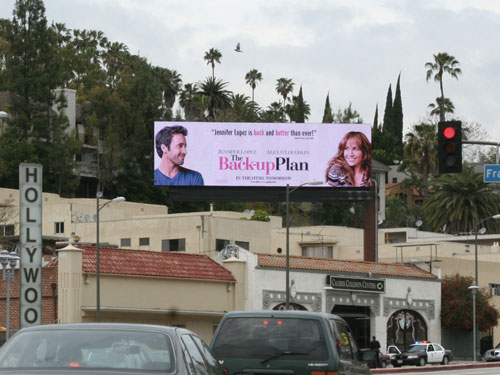
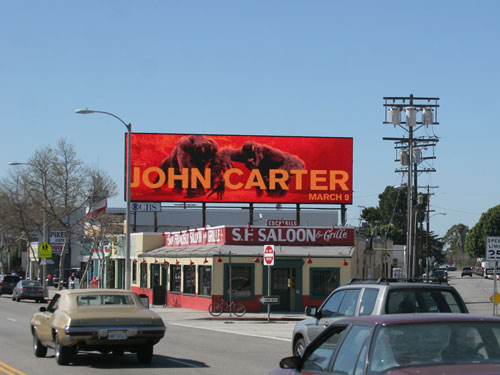
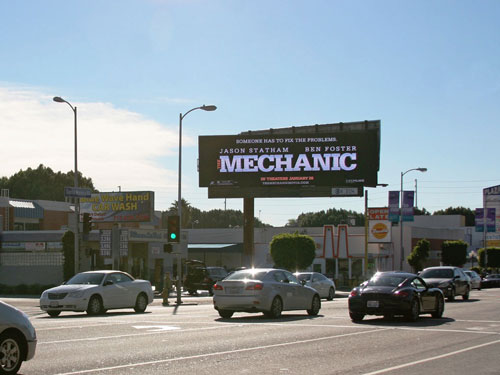
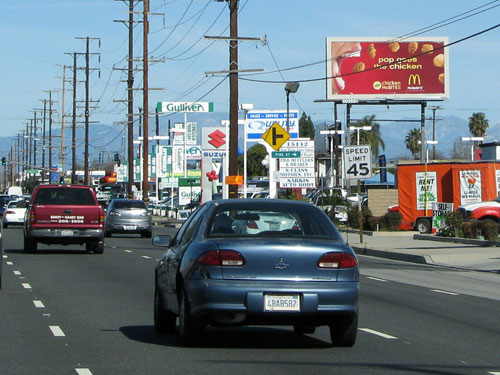
Not all images represent ads placed by Blue Line Media. Images may be subject to copyright. Names and trade and service marks are property of their owners and are not intended to endorse Blue Line Media.

In accordance with its Accessibility Statement, Blue Line Media is committed to ensuring accessibility of its website. To report an accessibility issue, request accessibility assistance regarding website content, or to request a specific electronic format, please contact the accessibility coordinator at 800-807-0360 or complete the form. Reasonable efforts will be made to accommodate all needs.

By using this website, you consent to the placement and storing of cookies on your computer by this website. These cookies are used to collect information about how you interact with our website and allow us to remember you. We use this information in order to improve and customize your browsing experience and for analytics and metrics about our visitors both on this website and other media. To find out more about the cookies we use, see our Privacy Policy.

The Geopath Audience Location Measurement data is provided by the GeoPath, Inc. New York, New York. © Copyright 2026 All Rights Reserved.

Certain info and images may be AI-generated. Double-check important info and images.

BACK TO TOP