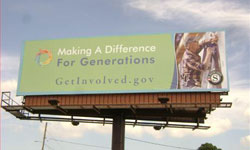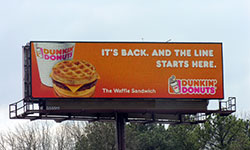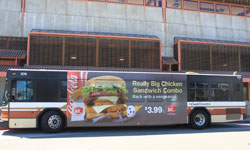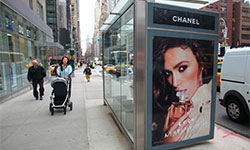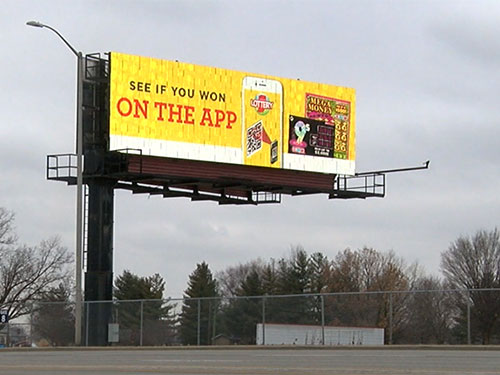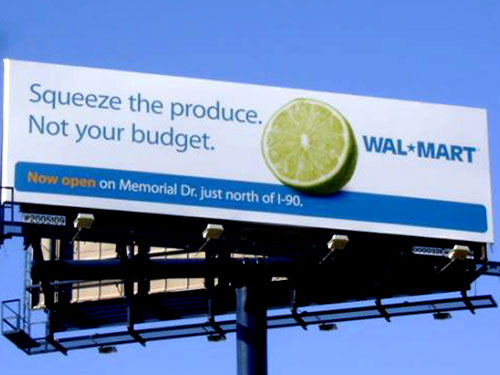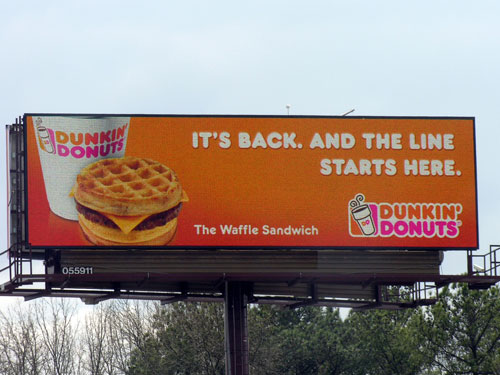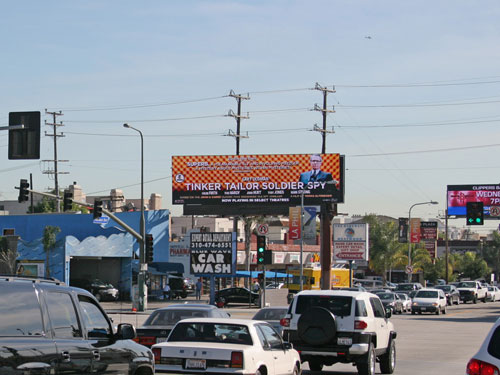
Map of Little Rock Billboards

Zoom in/out on map to see more.


Little Rock, AR Billboard Advertising Rates

  • $5,000 minimum spend which may be spread over displays and periods.
  • Get pricing: Pricing
Format Rate / Period (4 wks, est.) Avg. Imps (Age 18+) CPM (est.)
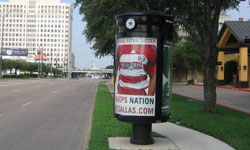
Bulletin (Large Billboard) Static $2,200–$4,200 562,515 $4–$7
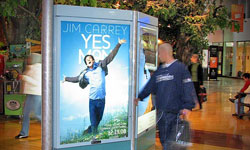
Digital Bulletin (Large Digital Billboard) Digital $2,200–$4,200 653,055 $3–$6
Poster (Medium Billboard) Static $1,000–$2,000 186,362 $5–$11
Digital Poster (Medium Digital Billboard) Digital $1,500–$2,000 275,157 $5–$7

The Little Rock DMA covers Pulaski County, Saline County, Faulkner County, Lonoke County, Garland County, Jefferson County, and surrounding counties across central Arkansas, with 2,212 billboard faces tracked across the market.

Billboard advertising in Little Rock starts at $1,000 per 4-week period. Static poster billboards (medium format) average $1,500 per 4-week period ($1,000–$2,000). Static bulletin billboards average $3,200 per 4-week period ($2,200–$4,200) and digital bulletin billboards average $3,200 per 4-week period ($2,200–$4,200).

Billboard advertising in Little Rock has CPMs starting at $3 per 4-week period. Static poster billboard CPMs average $8 ($5–$11) per 4-week period. Static bulletin billboard CPMs average $6 ($4–$7) and digital bulletin billboard CPMs average $5 ($3–$6).

The Little Rock DMA billboard inventory includes 70 digital faces and 2,142 static faces. Billboard density is highest along Interstate 30 (12 faces), Highway 278 (6 faces), Highway 79 (6 faces), Interstate 40 (6 faces), and Highway 71 (5 faces).


Little Rock, AR Billboard Market Snapshot

The Little Rock, AR billboard market tracked by Blue Line Media includes 2,212 billboard faces, comprising 70 digital (LED) and 2,142 static (printed/mesh) displays. Billboard coverage spans 5+ counties, with the heaviest concentration in Pulaski County, Faulkner County, Saline County, Pope County and Jefferson County. The market delivers approximately 227,775,517 weekly impressions (age 18+), equivalent to approximately 911,102,068 impressions over a standard 4-week campaign period.


Inventory by Location Type — Little Rock, AR

Urban — 52%
Suburban — 0%
Rural — 48%

Board Count by County — Little Rock, AR

CountyBillboard Faces
Pulaski County 635
Faulkner County 200
Saline County 189
Pope County 143
Jefferson County 124

Top Roads by Billboard Density — Little Rock, AR

Road / CorridorBillboard Faces
Interstate 30 12
Highway 278 6
Highway 79 (US-79) 6
Interstate 40 6
Highway 71 5

Sample Billboard Inventory — Little Rock, AR

Location / Road Format Direction 4-Week Imps (Age 18+)
I-30 E/S & LOCUST 150' N/O ARKANSAS P2-S Static Bulletin S 3,541,832
I-30 W/S & CYPRESS 250' S/O E 13TH P2-NF Static Bulletin N 3,135,740
I-30 N/S .1 MI E/O BASELINE RD, EF Digital Bulletin E 2,977,064
I-30 N/S 0.4 MI W/O REYNOLDS P1-WFT Static Bulletin SW 2,847,316
I-30 N/S 0.4 MI W/O REYNOLDS P2-WFB Static Bulletin SW 2,847,316
I-30 E/S & LOCUST 50' N/O E 4TH P2-SF Static Bulletin S 2,831,236
I-30 W/S N/O 13TH ST P1-SF Static Bulletin S 2,787,204
I-30 S/S 0.5 MI E/O REYNOLDS P2-EFB Static Bulletin SW 2,646,912

Little Rock, AR Billboard Advertising Market Data

No. of Billboards 2,212
Roads Interstate 30 (12 faces) — The primary east–west freeway running through the heart of Little Rock from the I-630 downtown interchange southwest through the Benton–Bryant corridor in Saline County and northeast across the Arkansas River into North Little Rock — I-30 is the central spine of the Little Rock metro, carrying the heaviest combined commuter, commercial, and interstate freight traffic of any corridor in the DMA. Highway 278 (6 faces) — A primary east–west rural corridor running through Jefferson County and the Pine Bluff metropolitan area southeast of Little Rock — reaching rural, agricultural, and manufacturing audiences in the Pine Bluff market and the southern Arkansas lowlands, connecting southeast Arkansas communities to the Little Rock metro. Highway 79 (US-79) (6 faces) — A north–south US highway running south from the Little Rock metro through Jefferson County and the Pine Bluff corridor, carrying urban commuter traffic and commercial traffic between Little Rock and Pine Bluff — US-79 parallels the Arkansas River through one of the most economically active corridors in southeast Arkansas. Interstate 40 (6 faces) — The major east–west interstate running through North Little Rock and connecting the Little Rock metro to Memphis and the eastern United States to the east and to Fort Smith and Oklahoma to the west — I-40 is the primary cross-country freight and commercial travel corridor through the DMA, carrying significant interstate truck traffic and regional commuter traffic through North Little Rock and the eastern metro area. Highway 71 (5 faces) — A major north–south US highway running through southwestern Arkansas connecting the western and southern rural communities of the Little Rock DMA to the metro core — reaching rural, regional, and Hot Springs-gateway audiences across southwestern Pulaski County, Saline County, and the Hot Springs corridor. Additional billboard coverage is available on I-630, I-430, I-440, US-65, and Highway 5/Chenal Parkway.
Attractions and Neighborhoods Arkansas State Capitol, UAMS Medical Center, Baptist Health Medical Center, Arkansas Children’s Hospital, Stephens Inc. (financial hub), Little Rock Nine Central High School National Historic Site, War Memorial Stadium, Dickey-Stephens Park (Arkansas Travelers baseball), Riverfront Park, River Market District, SoMa (South Main Arts District), Argenta Arts District (North Little Rock), Chenal Valley, Heights, Hillcrest, Midtown, Quapaw Quarter; North Little Rock, Maumelle, Jacksonville, Sherwood, Cabot (Lonoke County); Benton, Bryant (Saline County); Conway, Greenbrier (Faulkner County); Hot Springs, Hot Springs Village (Garland County); Pine Bluff, White Hall (Jefferson County); Arkansas State Fair (October), Riverfest, Little Rock Marathon (March)
Population 900,000
DMA No. 56
Race White 62%
Black 28%
Hispanic 6%
Asian / Other 4%
Median Income $52,000
Median Age 38
Zip Codes 72002 72103 72201 72202 72203 72204 72205 72206 72207 72209 72210 72211 72212 72214 72215 72217 72219 72221 72222 72223 72225 72227 72231 72255 72260 72295

Billboard Advertising FAQ — Little Rock, AR

How much does billboard advertising cost in Little Rock, AR?

Billboard advertising in Little Rock starts at $1,000 per 4-week period. Static poster billboards (medium format) average $1,500 per 4-week period ($1,000–$2,000). Static bulletin billboards (large format, 14'×48') average $3,200 per 4 weeks ($2,200–$4,200). Digital bulletin billboards (LED, large format) average $3,200 per 4 weeks ($2,200–$4,200). A $5,000 minimum spend applies and may be spread across multiple boards and flight periods. Premium locations — including high-traffic I-30 freeway interchanges through the downtown core, the I-630 State Capitol corridor, and the I-430 west Little Rock beltway serving the Chenal Valley retail and residential district — may be priced above these ranges depending on availability.

What is the CPM for billboard advertising in Little Rock, AR?

Billboard advertising in Little Rock has CPMs starting at $3 per 4-week period. Static poster billboards (medium billboards) average $8 CPM ($5–$11) per 4-week period. Static bulletin billboards (large billboards, 14'×48') average $6 CPM ($4–$7). Digital bulletin billboards average $5 CPM ($3–$6). Digital poster billboards average $6 CPM ($5–$7). CPMs are calculated using the average 4-week impressions (age 18+) for each format across all 2,212 billboard faces in the Little Rock DMA.

How often will people see my billboard in Little Rock, AR?

A static bulletin in Little Rock delivers an average of 562,515 impressions (age 18+) over a 4-week campaign period. A digital bulletin delivers an average of 653,055 impressions over the same period. Commuters on major corridors like Interstate 30, Interstate 40, and Highway 79 typically pass the same billboard multiple times per week, making billboards one of the highest-frequency media formats available. Across all 2,212 billboard faces in the Little Rock DMA, the market delivers approximately 911,102,068 total impressions per 4-week period.

What are the best roads for billboard advertising in Little Rock, AR?

The highest-density billboard corridors in the Little Rock DMA are Interstate 30 (12 faces), Highway 278 (6 faces), Highway 79 (US-79) (6 faces), Interstate 40 (6 faces), and Highway 71 (5 faces). Additional billboard coverage is available on I-630, I-430, I-440, US-65, and Highway 5/Chenal Parkway.

How many billboards are in Little Rock, AR?

The Little Rock DMA contains 2,212 billboard faces tracked by Blue Line Media across Pulaski County, Saline County, Faulkner County, Lonoke County, Garland County, Jefferson County, and surrounding counties. Of these, 70 are digital (LED) and 2,142 are static (printed/mesh), spanning bulletin and poster formats. Billboard coverage reaches 5+ counties in the DMA, with the highest concentrations in Pulaski County, which contains Little Rock, North Little Rock, Maumelle, and the majority of DMA billboard inventory along I-30, I-40, I-630, I-430, and the major surface corridors of the urban core, and Jefferson County, which contains Pine Bluff and White Hall and delivers the primary southeast Arkansas billboard audience along Highway 79 and Highway 278.

What types of billboards are available in Little Rock, AR?

Little Rock billboard inventory includes static bulletins (large format, 14'×48'), digital bulletins (LED, large format), static posters (medium format) and digital posters. Of the 2,212 faces in the Little Rock DMA, 70 are digital (LED) and 2,142 are static (printed/mesh). 52% of inventory is in urban and urban business locations, 0% suburban, and 48% rural, offering flexible targeting across Little Rock audience densities.

When is the best time to advertise on billboards in Little Rock, AR?

The Little Rock DMA peaks in fall and spring. The fall peak runs September through November, driven by the Arkansas Razorbacks football season and the Arkansas State Fair in late October at the State Fairgrounds in Little Rock. The spring peak runs March through May, with the Little Rock Marathon in March and a surge in outdoor consumer activity through April and May. In odd-numbered years, the Arkansas General Assembly session from January through April sustains consistent activity in the downtown State Capitol corridor. The off-peak window is December through February, when advertiser demand is lowest and rate negotiation is most favorable. Advertisers planning campaigns around the Arkansas State Fair or Razorbacks home games should book 4–6 weeks in advance to secure preferred positions on I-30 and I-630.

How does billboard advertising work in Little Rock, AR?

Getting started with billboard advertising in Little Rock is straightforward:

  1. Get a quote — Tell Blue Line Media your target area, budget, and campaign dates.
  2. Choose your billboard — Blue Line Media recommends available billboard locations matching your audience and flight.
  3. Provide creative or use our free design service.
  4. Go live — Boards are posted and your campaign runs for your contracted flight period.

What size are billboards in Little Rock, AR?

Billboard sizes in Little Rock follow industry-standard dimensions. Static bulletin billboards (large format) measure 14 feet high by 48 feet wide (14'×48'). Static poster billboards (medium format) measure 10.5 feet high by 22.75 feet wide (10.5'×22.75'). Digital bulletin billboards and digital poster billboards share the same dimensions as their static counterparts.

How far in advance do I need to book billboard advertising in Little Rock, AR?

As soon as possible, because advertising is sold on a first come, first served basis. Availability changes daily as campaigns book and end.

Creative Due Dates:

  • Static (Print): 2–3 weeks prior to ad start date. May be reduced in certain cases.
  • Digital: 3 business days prior to ad start date.

Can I target specific neighborhoods or areas with billboard advertising in Little Rock, AR?

Yes. The Little Rock DMA offers distinct sub-market targeting across 5 areas. The downtown and State Capitol sub-market along I-630 covers the River Market District, the Quapaw Quarter, and the UAMS Medical Center campus. The west Little Rock sub-market along I-430 and Chenal Parkway covers Chenal Valley, Pleasant Valley, and the Heights. The North Little Rock sub-market along I-40 and US-70 covers the Argenta Arts District and the McCain Mall corridor. The Saline County sub-market along I-30 covers Benton and Bryant. The Pine Bluff sub-market along Highway 79 and Highway 278 covers Pine Bluff, White Hall, and surrounding Jefferson County communities.

What are the most popular billboard locations in Little Rock, AR?

Among the most-viewed billboard corridors in the Little Rock DMA are Interstate 30 (12 faces), Highway 278 (6 faces), Highway 79 (6 faces), Interstate 40 (6 faces), and Highway 71 (5 faces). Blue Line Media can recommend specific billboard positions on these and other corridors based on current availability.

Blue Line Media logo

Copyright 2026 Blue Line Media Inc

Not all images represent ads placed by Blue Line Media. Images may be subject to copyright. Names and trade and service marks are property of their owners and are not intended to endorse Blue Line Media.

In accordance with its Accessibility Statement, Blue Line Media is committed to ensuring accessibility of its website. To report an accessibility issue, request accessibility assistance regarding website content, or to request a specific electronic format, please contact the accessibility coordinator at 800-807-0360 or complete the form. Reasonable efforts will be made to accommodate all needs.

By using this website, you consent to the placement and storing of cookies on your computer by this website. These cookies are used to collect information about how you interact with our website and allow us to remember you. We use this information in order to improve and customize your browsing experience and for analytics and metrics about our visitors both on this website and other media. To find out more about the cookies we use, see our Privacy Policy.

The Geopath Audience Location Measurement data is provided by the GeoPath, Inc. New York, New York. © Copyright 2026 All Rights Reserved.

Certain info and images may be AI-generated. Double-check important info and images.

BACK TO TOP