Map of Florida Billboards

Zoom in/out on map to see more.


Florida Billboard Advertising Rates

  • $5,000 minimum spend which may be spread over displays and periods.
  • Get pricing: Pricing
Format Rate / Period (4 wks, est.) Avg. Imps (Age 18+) CPM (est.)
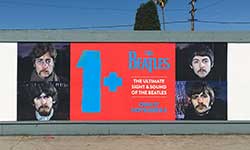
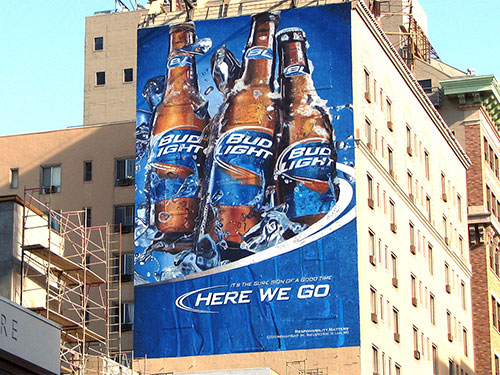
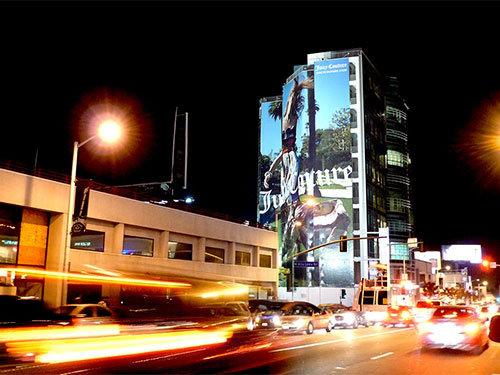
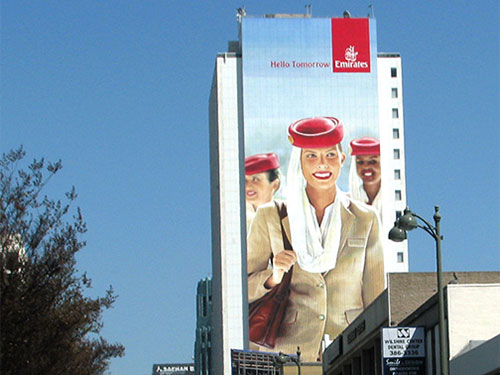
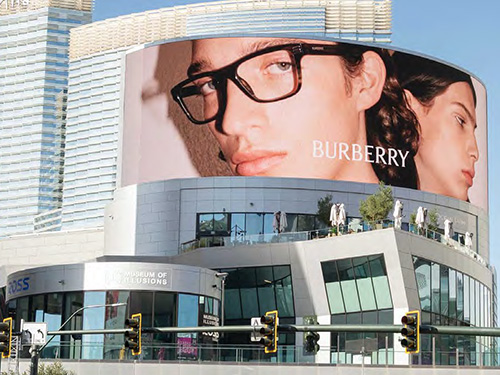
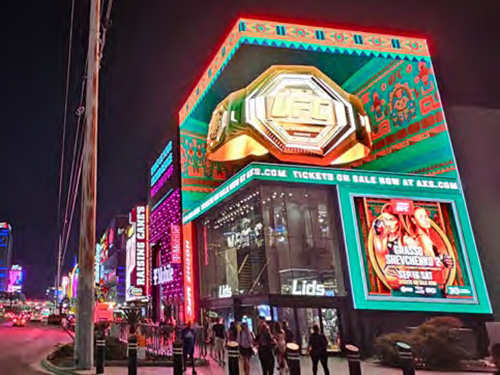
Wallscape (Side of Building) Static Digital $10,000–$50,000 1,484,862 $7–$34
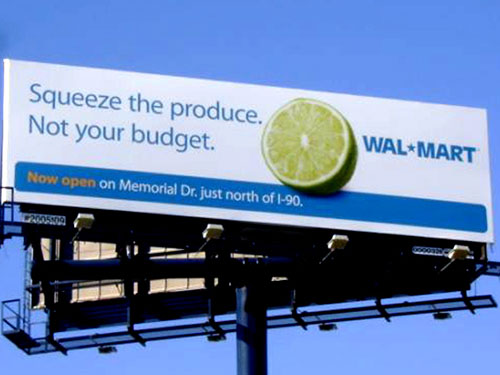
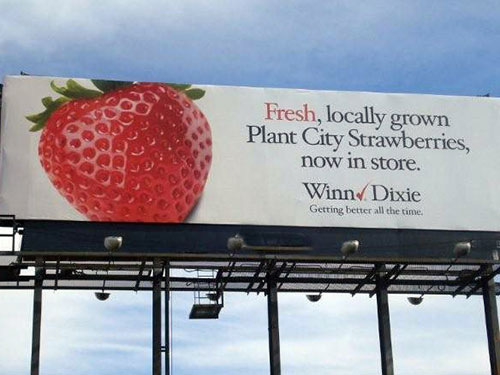
Bulletin (Large Billboard) Static $4,095–$8,150 734,687 $6–$11
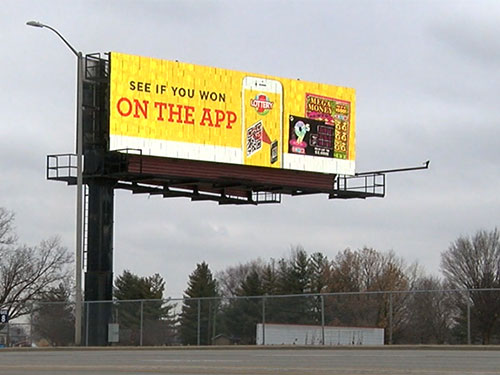
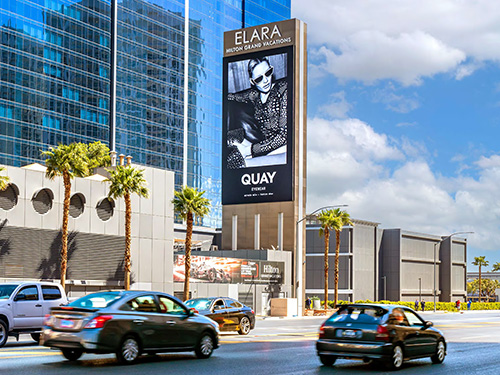
Digital Bulletin (Large Digital Billboard) Digital $3,875–$7,375 1,023,847 $4–$7
Poster (Medium Billboard) Static $1,235–$2,170 354,856 $3–$6
Digital Poster (Medium Digital Billboard) Digital $1,610–$2,500 570,719 $3–$4

The Florida billboard market covers 18,543 billboard faces statewide, spanning Miami-Dade, Broward, Palm Beach, Hillsborough, Orange, and Duval counties and highway corridors across the state.

Billboard advertising in Florida starts at $1,235 per 4-week period. Static poster billboards in Florida average $1,703 per 4-week period ($1,235–$2,170). Static bulletin billboards average $6,123 ($4,095–$8,150), digital bulletin billboards average $5,625 ($3,875–$7,375), and Wallscape mural billboards average $30,000 ($10,000–$50,000) per 4-week period.

Billboard advertising in Florida has CPMs starting at $3 per 4-week period. Static poster billboard CPMs in Florida average $5 ($3–$6) per 4-week period. Static bulletin billboard CPMs average $9 ($6–$11), digital bulletin billboard CPMs average $6 ($4–$7), and Wallscape mural billboard CPMs average $21 ($7–$34).

Major billboard corridors in Florida include I-95 (494 faces), I-75 (341 faces), US-1 (208 faces), and I-4 (168 faces), with Wallscape mural billboards, static bulletins, digital bulletins, static posters, and digital posters available statewide. Florida’s billboard market spans the full length of the state from Pensacola and the Panhandle through Jacksonville, the Orlando metro, Tampa Bay, and South Florida’s Miami-Fort Lauderdale-West Palm Beach corridor.

Florida Billboard Market Snapshot

The Florida billboard market tracked by Blue Line Media includes 18,543 billboard faces, comprising 1,529 digital (LED) and 17,014 static (printed/mesh) displays. Billboard coverage spans 60+ counties, with the heaviest concentration in Orange County, Miami-Dade County, Escambia County, Marion County and Polk County. The market delivers approximately 3,135,140,914 weekly impressions (age 18+), equivalent to approximately 12,540,563,656 impressions over a standard 4-week campaign period.


Inventory by Location Type — Florida

Urban — 45%
Suburban — 32%
Rural — 23%

Top Counties by Board Count — Florida

CountyBillboard Faces
Orange County 1,791
Miami-Dade County 1,212
Escambia County 1,193
Marion County 1,059
Polk County 1,051
Hillsborough County 991
Lee County 744
Pasco County 725
Pinellas County 637
Santa Rosa County 633

Major Billboard Corridors — Florida

Road / CorridorBillboard Faces
I-95 (Interstate 95) 494
I-75 (Interstate 75 / Alligator Alley) 341
US Highway 1 (US-1) 208
I-4 (Interstate 4) 168
US Highway 19 (US-19) 145
US Highway 27 (US-27) 114
US Highway 41 (US-41 / Tamiami Trail) 114
SR 436 (Semoran Boulevard) 113
I-295 (Interstate 295) 75
I-275 (Interstate 275) 75

Sample Billboard Inventory — Florida

Location / Road Format Direction 4-Week Imps (Age 18+)
W/S HWY 535 .25 MI N/O I-4 N/B Static Bulletin S 26,032,252
SAND LAKE RD Static Bulletin NE 17,692,748
2.8 miles south of US-90, I-75 exit 427, on I-75 Static Bulletin N 14,840,000
COLONIAL BLVD Digital Bulletin W 8,012,836
FL TURNPIKE N/O SW 184TH ST WS/NB Digital Bulletin SE 7,613,812
I-95 Wallscape NW 7,191,148
N/S 98E @ PARADISE BAY F/E Static Bulletin E 6,915,180
N/S 98E @ PARADISE BAY Static Bulletin E 6,915,180

Florida Billboard Advertising Market Data

No. of Billboards 18,543
Roads
Major Cities & Neighborhoods Miami: Downtown Miami, Brickell, Little Havana, Wynwood, Edgewater, Coral Gables, Coconut Grove, South Beach, Midtown, Design District, Overtown, Allapattah, Doral, Kendall, Miami Lakes, Aventura, North Miami Beach, Bal Harbour. Orlando: Downtown Orlando, Thornton Park, College Park, Lake Nona, Baldwin Park, Dr. Phillips, MetroWest, Winter Park, Kissimmee, Windermere, Apopka, Altamonte Springs. Tampa: Downtown Tampa, Hyde Park, Channelside, Ybor City, Westshore, Davis Islands, South Tampa, Seminole Heights, Carrollwood, New Tampa, Brandon, Riverview. Jacksonville: Downtown Jacksonville, Riverside, Avondale, San Marco, Mandarin, Springfield, The Beaches (Jacksonville Beach, Neptune Beach, Atlantic Beach), Southside, Arlington, Orange Park. Fort Lauderdale: Downtown Fort Lauderdale, Las Olas Isles, Victoria Park, Rio Vista, Wilton Manors, Lauderdale-by-the-Sea, Plantation, Davie, Hollywood. Naples / Fort Myers: Old Naples, Park Shore, Pelican Bay, Moorings, Golden Gate, East Naples, North Naples, Marco Island, Cape Coral, Bonita Springs, Estero.
Counties Alachua, Baker, Bay, Bradford, Brevard, Broward, Calhoun, Charlotte, Citrus, Clay, Collier, Columbia, DeSoto, Dixie, Duval, Escambia, Flagler, Franklin, Gadsden, Gilchrist, Glades, Gulf, Hamilton, Hardee, Hendry, Hernando, Highlands, Hillsborough, Holmes, Indian River, Jackson, Jefferson, Lafayette, Lake, Lee, Leon, Levy, Liberty, Madison, Manatee, Marion, Martin, Miami-Dade, Monroe, Nassau, Okaloosa, Okeechobee, Orange, Osceola, Palm Beach, Pasco, Pinellas, Polk, Putnam, St. Johns, St. Lucie, Santa Rosa, Sarasota, Seminole, Sumter, Suwannee, Taylor, Union, Volusia, Wakulla, Walton, Washington.
Population 22,600,000
Race White 53%
Hispanic 26%
Black 15%
Asian / Other 6%
Median Income $63,000
Median Age 42
Zip Codes

Billboard Advertising FAQ — Florida

How much does billboard advertising cost in Florida?

Billboard advertising in Florida starts at $1,235 per 4-week period. Static poster billboards (medium format) average $1,703 per 4-week period ($1,235–$2,170). Static bulletin billboards (large format, 14'×48') average $6,123 per 4 weeks ($4,095–$8,150). Digital bulletin billboards (LED, large format) average $5,625 per 4 weeks ($3,875–$7,375). Wallscape mural billboards (large-format graphics on building and parking structure exteriors) average $30,000 per 4 weeks ($10,000–$50,000). A $5,000 minimum spend applies and may be spread across multiple boards and flight periods. Premium locations — including high-visibility I-95 and I-75 interchange positions, Wallscape locations in Miami’s Wynwood and Brickell districts, and downtown Orlando and Tampa corridor positions — may be priced above these ranges depending on availability.

What is the CPM for billboard advertising in Florida?

Billboard advertising in Florida has CPMs starting at $3 per 4-week period. Static poster billboards (medium billboards) average $5 CPM ($3–$6) per 4-week period. Static bulletin billboards (large billboards, 14'×48') average $9 CPM ($6–$11). Digital bulletin billboards average $6 CPM ($4–$7). Wallscape mural billboards average $21 CPM ($7–$34), reflecting prime large-format placement on high-visibility building faces in Florida’s urban markets including Miami, Orlando, and Tampa. Digital poster billboards average $4 CPM ($3–$4). CPMs are calculated using the average 4-week impressions (age 18+) for each format across all 18,543 billboard faces in the Florida billboard market.

How often will people see my billboard in Florida?

A static bulletin in Florida delivers an average of 734,687 impressions (age 18+) over a 4-week campaign period. A digital bulletin delivers an average of 1,023,847 impressions over the same period. A Wallscape mural billboard delivers an average of 1,484,862 impressions per 4-week period. Florida is one of the most car-dependent states in the country — residents across the Miami metro, Orlando, Tampa Bay, and Jacksonville rely almost exclusively on driving, making billboard exposure consistently high-frequency in all major markets. Commuters on major corridors like I-95, I-75, and I-4 typically pass the same billboard multiple times per week, making billboards one of the highest-frequency media formats available. Across all 18,543 billboard faces in the Florida billboard market, the market delivers approximately 12,540,563,656 total impressions per 4-week period.

What are the best roads for billboard advertising in Florida?

Major billboard corridors in Florida include I-95 (Interstate 95) (494 faces), I-75 (Interstate 75 / Alligator Alley) (341 faces), US Highway 1 (US-1) (208 faces), I-4 (Interstate 4) (168 faces), US Highway 19 (US-19) (145 faces), US Highway 27 (US-27) (114 faces), US Highway 41 (US-41 / Tamiami Trail) (114 faces), SR 436 (Semoran Boulevard) (113 faces), I-295 (Interstate 295) (75 faces), and I-275 (Interstate 275) (75 faces). I-95 is Florida’s primary north-south interstate and the single highest-face-count billboard corridor in the state, essential for campaigns targeting South Florida’s Miami-Fort Lauderdale-West Palm Beach corridor, the Space Coast, and the Northeast Florida Jacksonville market, reaching a dense mix of residents, commuters, and year-round tourists. I-75 is the go-to corridor for campaigns targeting the Gulf Coast — from Naples and Fort Myers through Sarasota, Bradenton, and Tampa — and for reaching Gainesville, Lake City, and north Florida on the run to Atlanta, with strong retail, healthcare, and seasonal-resident audiences along the entire corridor. US-1 runs the full length of Florida’s east coast and is a major surface-arterial billboard corridor in South and Northeast Florida, reaching Miami-Dade, Broward, and Palm Beach residential audiences, Florida Keys visitor traffic, and the historic downtown cores of Fort Lauderdale, West Palm Beach, and Jacksonville. I-4 is the essential Central Florida corridor connecting Tampa through Lakeland, Orlando’s International Drive resort district, and the Walt Disney World, Universal, and SeaWorld theme park cluster to Daytona Beach, reaching heavy tourism-sector traffic and the Orlando metro’s broad suburban residential audience. US-19 runs north along the Gulf Coast from St. Petersburg through Clearwater, the Pinellas and Pasco County suburbs, Spring Hill, and Crystal River, reaching year-round residents, retirees, and seasonal visitors along a continuous commercial corridor lined with retail, automotive, healthcare, and restaurant businesses.

How many billboards are in Florida?

The Florida billboard market contains 18,543 billboard faces tracked by Blue Line Media across 60+ counties statewide. Of these, 1,529 are digital (LED) and 17,014 are static (printed/mesh), spanning Wallscape mural, bulletin, and poster formats. Coverage is heaviest in Orange County, home to Orlando and the Central Florida tourism corridor, and Miami-Dade County, home to Miami and the South Florida urban core.

What types of billboards are available in Florida?

Florida billboard inventory includes Wallscape mural billboards (large-format graphics on building and parking structure exteriors), static bulletins (large format, 14'×48'), digital bulletins (LED, large format), static posters (medium format), and digital posters. Of the 18,543 faces in the Florida billboard market, 1,529 are digital (LED) and 17,014 are static (printed/mesh). 45% of inventory is in urban and urban business locations, 32% suburban, and 23% rural, offering flexible targeting across Florida audience densities.

When is the best time to advertise on billboards in Florida?

Billboard demand in Florida is strong year-round, driven by the state’s permanent population and consistent vehicle traffic, with two distinct seasonal peaks. October through April is the primary peak season — coinciding with the arrival of snowbirds and winter visitors who significantly expand the South Florida population, the Miami Open and Daytona 500 (February–March), Spring Break traffic in Miami Beach, Orlando, and the Gulf Coast (March–April), and the Tampa Bay Buccaneers and Miami Dolphins regular seasons. The spring and early summer shoulder (April–June) is particularly strong for real estate, home services, and tourism advertisers targeting households newly arrived or relocating across the state. June through September is Florida’s summer window — hurricane season brings weather caution but steady daily commuter traffic remains; this period offers the most negotiable CPMs and is a strong opportunity for budget-conscious advertisers across all markets. For Miami Wynwood Wallscape locations and high-visibility I-95 interchange positions, plan 4–6 weeks in advance; Art Basel Miami Beach (December) and major spring events may require 8–12 weeks of lead time.

How does billboard advertising work in Florida?

Getting started with billboard advertising in Florida is straightforward:

  1. Get a quote — Tell Blue Line Media your target area, budget, and campaign dates.
  2. Choose your billboard — Blue Line Media recommends available billboard locations matching your audience and flight.
  3. Provide creative or use our free design service.
  4. Go live — Boards are posted and your campaign runs for your contracted flight period.

What size are billboards in Florida?

Billboard sizes in Florida follow industry-standard dimensions. Static bulletin billboards (large format) measure 14 feet high by 48 feet wide (14'×48'). Static poster billboards (medium format) measure 10.5 feet high by 22.75 feet wide (10.5'×22.75'). Digital bulletin billboards and digital poster billboards share the same dimensions as their static counterparts. Wallscape mural billboards are printed or mesh graphics mounted to building and parking structure exteriors; sizes vary by building face, ranging from a few hundred to several thousand square feet.

How far in advance do I need to book billboard advertising in Florida?

As soon as possible, because advertising is sold on a first come, first served basis. Availability changes daily as campaigns book and end.

Creative Due Dates:

  • Static (Print): 2–3 weeks prior to ad start date. May be reduced in certain cases.
  • Digital: 3 business days prior to ad start date.

Can I target specific regions or cities with billboard advertising in Florida?

Yes — Blue Line Media can filter Florida billboard inventory by region, city, or corridor to match your target audience. South Florida — Miami-Dade, Broward, and Palm Beach counties along I-95, I-75, and US-1 — is Florida’s most densely inventoried market, reaching the state’s highest concentration of households, tourists, and international visitors, with Wallscape mural opportunities in Miami’s Wynwood, Brickell, and Design District. Central Florida — Orange, Osceola, Seminole, and Polk counties along I-4, SR-436, and US-27 — reaches the state’s largest tourism audience and the Orlando metro’s broad residential and technology-sector workforce. Tampa Bay — Hillsborough, Pinellas, and Pasco counties along I-275, I-75, and I-4 — offers access to the state’s third-largest metro, reaching Tampa’s professional, financial services, and healthcare corridor audiences as well as the St. Petersburg and Clearwater Gulf Coast tourism market. Northeast Florida — Duval, Clay, St. Johns, and Nassau counties along I-95 and I-10 — reaches Jacksonville’s military, logistics, and financial-sector workforce, the state’s fastest-growing suburban residential market. The Florida Gulf Coast — Sarasota, Charlotte, Lee, and Collier counties along I-75 and US-41 — reaches the state’s highest-income retiree and seasonal-resident audience in Naples, Fort Myers, and Sarasota.

What are the most popular billboard locations in Florida?

Among the most-viewed billboard corridors in the Florida billboard market are I-95, the primary north-south interstate and highest-face-count corridor in the state running from Miami through Fort Lauderdale, West Palm Beach, Daytona Beach, and Jacksonville to the Georgia border (494 faces), I-75, the Gulf Coast spine from the Everglades through Fort Myers, Sarasota, and Tampa to Gainesville and the Georgia border (341 faces), US Highway 1, the historic east coast surface corridor from Miami to Jacksonville through Fort Lauderdale and West Palm Beach (208 faces), I-4, the Central Florida tourism and commuter corridor from Tampa through Orlando to Daytona Beach (168 faces), and I-275, the Tampa Bay metro freeway connecting downtown Tampa to St. Petersburg and Pinellas County (75 faces). Blue Line Media can recommend specific billboard positions — including Wallscape mural locations — on these and other corridors based on current availability.

Blue Line Media logo

Copyright 2026 Blue Line Media Inc

Not all images represent ads placed by Blue Line Media. Images may be subject to copyright. Names and trade and service marks are property of their owners and are not intended to endorse Blue Line Media.

In accordance with its Accessibility Statement, Blue Line Media is committed to ensuring accessibility of its website. To report an accessibility issue, request accessibility assistance regarding website content, or to request a specific electronic format, please contact the accessibility coordinator at 800-807-0360 or complete the form. Reasonable efforts will be made to accommodate all needs.

By using this website, you consent to the placement and storing of cookies on your computer by this website. These cookies are used to collect information about how you interact with our website and allow us to remember you. We use this information in order to improve and customize your browsing experience and for analytics and metrics about our visitors both on this website and other media. To find out more about the cookies we use, see our Privacy Policy.

The Geopath Audience Location Measurement data is provided by the GeoPath, Inc. New York, New York. © Copyright 2026 All Rights Reserved.

Certain info and images may be AI-generated. Double-check important info and images.

BACK TO TOP