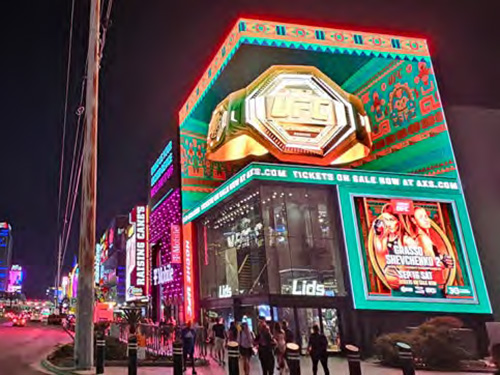
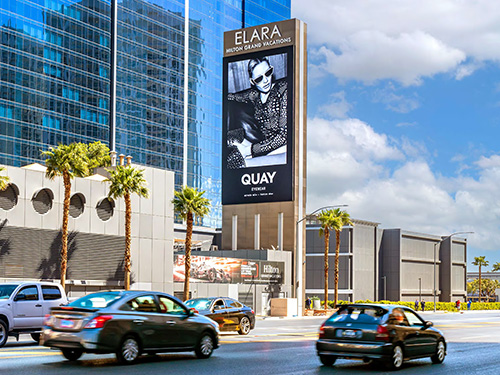
The Detroit DMA is one of the Midwest’s major billboard markets, with 3,701 billboard faces spanning Wayne County, Oakland County, Macomb County, Washtenaw County, and surrounding counties in Michigan.
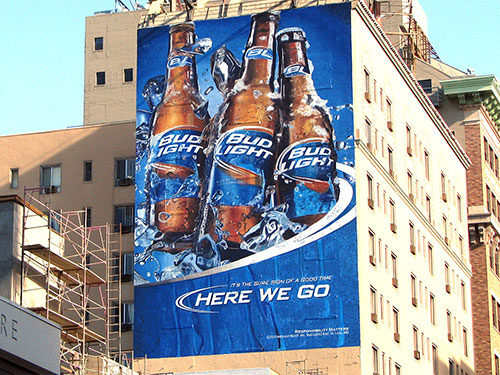
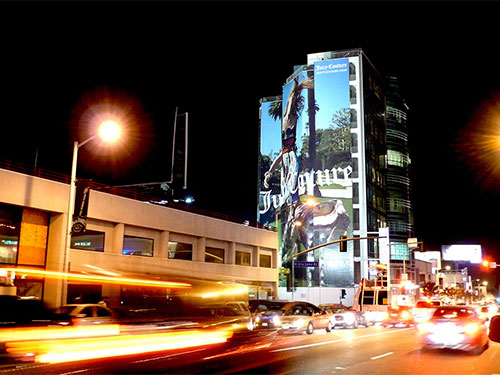
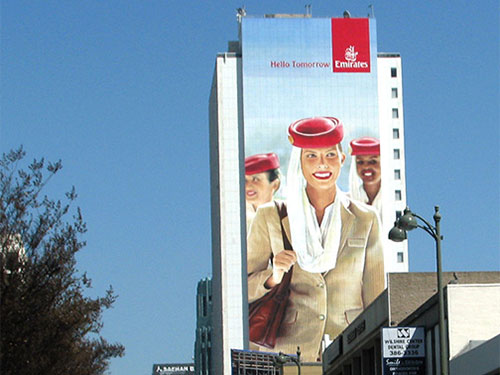
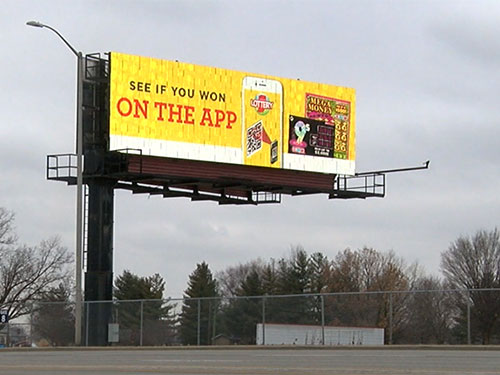
Billboard advertising in Detroit starts at $1,450 per 4-week period. Static poster billboards in Detroit average $1,725 per 4-week period ($1,450–$2,000). Static bulletin billboards average $5,250 ($3,000–$7,500), digital bulletin billboards average $6,250 ($5,000–$7,500), and Wallscape mural billboards average $31,000 ($12,000–$50,000) per 4-week period.
Billboard advertising in Detroit has CPMs starting at $3 per 4-week period. Static poster billboard CPMs in Detroit average $7 ($6–$8) per 4-week period. Static bulletin billboard CPMs average $6 ($3–$8), digital bulletin billboard CPMs average $9 ($7–$10), and Wallscape mural billboard CPMs average $65 ($25–$105).
Billboard density is highest along I-75 (24 faces), Eight Mile Road (18 faces), and I-275 (9 faces), with Wallscape mural billboards, static bulletins, digital bulletins, static posters, and digital posters available across the DMA. The DMA spans the greater metro Detroit region including the City of Detroit, the Tri-County area (Wayne, Oakland, and Macomb), Dearborn, Warren, Sterling Heights, Ann Arbor, Pontiac, and communities throughout southeast Michigan.
Detroit, MI Billboard Market Snapshot
The Detroit, MI billboard market tracked by Blue Line Media includes 3,701 billboard faces, comprising 256 digital (LED) and 3,445 static (printed/mesh) displays. Billboard coverage spans 5+ counties, with the heaviest concentration in Wayne County, Oakland County, Macomb County, St. Clair County and Monroe County. The market delivers approximately 544,739,594 weekly impressions (age 18+), equivalent to approximately 2,178,958,376 impressions over a standard 4-week campaign period.
Inventory by Location Type — Detroit, MI
Urban — 86%
Suburban — 0%
Rural — 14%
Board Count by County — Detroit, MI
County
Billboard Faces
Wayne County
2,182
Oakland County
330
Macomb County
295
St. Clair County
260
Monroe County
213
Top Roads by Billboard Density — Detroit, MI
Road / Corridor
Billboard Faces
I-75 (Chrysler/Fisher/Detroit–Toledo Expressway)
24
Eight Mile Road (M-8)
18
I-275
9
I-94 (Edsel Ford/Detroit–Chicago Expressway)
8
Michigan Avenue (US-12)
6
Sample Billboard Inventory — Detroit, MI
Location / Road
Format
Direction
4-Week Imps (Age 18+)
700 E Maple Rd
Wallscape
N
5,722,192
N. I-75 Fwy & W. I-94 Interchange W/S
Static Bulletin
E
5,664,572
E. I-94 Fwy E/O (Interchange) I-75 Fwy S/S
Static Bulletin
W
5,597,336
Woodward Ave. S/O I-94 Fwy. E/S
Static Bulletin
NW
4,431,888
N. I-75 Fwy & E. I-94 Interchange E/S
Static Bulletin
SE
4,338,872
I-696 Fwy E/O Greenfield S/S
Digital Bulletin
NW
3,758,404
E. I-94 Fwy E/O (interchange) I-75 Fwy E/S
Static Bulletin
E
3,410,116
N/S I-96 2500' W/O BECK RD F/E
Static Bulletin
E
3,268,832
Detroit, MI Billboard Advertising Market Data
No. of Billboards
3,701
Roads
I-75 (Chrysler/Fisher/Detroit–Toledo Expressway) (24 faces) — reaching the DMA’s highest concentration of billboard faces along the primary north-south freeway spine connecting downtown Detroit through Highland Park, Hamtramck, Warren, Sterling Heights, and Troy to the Oakland County border, capturing metro-wide commuter and commercial traffic on the region’s busiest corridor. Eight Mile Road (M-8) (18 faces) — reaching the dense east-west border corridor between Detroit and its northern suburbs — from Southfield and Oak Park through Warren and Eastpointe — where high billboard density meets a diverse mix of urban, commercial, and suburban retail audiences traveling one of metro Detroit’s most trafficked surface arterials. I-275 (9 faces) — reaching southwest and northwest suburban commuters, retail shoppers, and travelers along the western suburban freeway connecting Monroe County through Romulus, Westland, Canton, Plymouth, Livonia, Farmington Hills, and Novi, covering one of the DMA’s fastest-growing suburban corridors. I-94 (Edsel Ford/Detroit–Chicago Expressway) (8 faces) — reaching east-west commuters, airport corridor traffic, and industrial and logistics workers along the primary freeway connecting Detroit Metropolitan Airport, Taylor, Allen Park, and Dearborn to downtown Detroit and east-side communities through Grosse Pointe Park. Michigan Avenue (US-12) (6 faces) — reaching urban Detroit, Corktown, and inner-ring suburban audiences along one of the DMA’s most historically significant commercial corridors, running west from downtown Detroit through Dearborn, Dearborn Heights, Inkster, Wayne, and Ypsilanti toward Ann Arbor. Additional coverage on I-96 (Jeffries Freeway) through Livonia and Redford Township, I-696 (Walter P. Reuther Freeway) across the northern suburbs, Gratiot Avenue through the east side and Macomb County, Woodward Avenue (M-1) through Midtown, New Center, Royal Oak, and Pontiac, Mound Road through Warren and Sterling Heights, and Telegraph Road (US-24) through the southwest suburbs.
Attractions and Neighborhoods
Ford Field, Comerica Park, Little Caesars Arena; Corktown, Downtown, Eastern Market,
Greektown, Midtown, New Center, Woodbridge, Lafayette Park, Indian Village, Palmer Woods,
Rosedale Park, University District, Boston-Edison, West Village, East English Village,
Jefferson-Chalmers, Mexicantown, Bagley, Brush Park, Warrendale, Grandmont-Rosedale,
Hubbard Farms, Islandview, North End, Southwest Detroit, Belle Isle; Dearborn,
Hamtramck, Highland Park; Royal Oak, Birmingham, Troy, Warren, Sterling Heights,
Southfield, Pontiac, Bloomfield Hills, Livonia, Westland, Canton, Ann Arbor, Ypsilanti
How much does billboard advertising cost in Detroit, MI?
Billboard advertising in Detroit starts at $1,450 per 4-week period. Static poster billboards (medium format) average $1,725 per 4-week period ($1,450–$2,000). Static bulletin billboards (large format, 14'×48') average $5,250 per 4 weeks ($3,000–$7,500). Digital bulletin billboards (LED, large format) average $6,250 per 4 weeks ($5,000–$7,500). Wallscape mural billboards (large-format graphics on building and parking structure exteriors) average $31,000 per 4 weeks ($12,000–$50,000). A $5,000 minimum spend applies and may be spread across multiple boards and flight periods. Premium locations — including high-visibility I-75 interchange positions, Wallscape locations in Midtown and Corktown, and major surface street positions on Eight Mile Road and Woodward Avenue — may be priced above these ranges depending on availability.
What is the CPM for billboard advertising in Detroit, MI?
Billboard advertising in Detroit has CPMs starting at $3 per 4-week period. Static poster billboards (medium billboards) average $7 CPM ($6–$8) per 4-week period. Static bulletin billboards (large billboards, 14'×48') average $6 CPM ($3–$8). Digital bulletin billboards average $9 CPM ($7–$10). Wallscape mural billboards average $65 CPM ($25–$105), reflecting prime large-format placement on high-visibility building faces in Detroit’s urban core and inner-ring neighborhoods. Digital poster billboards average $9 CPM ($8–$10). CPMs are calculated using the average 4-week impressions (age 18+) for each format across all 3,701 billboard faces in the Detroit DMA.
How often will people see my billboard in Detroit, MI?
A static bulletin in Detroit delivers an average of 957,755 impressions (age 18+) over a 4-week campaign period. A digital bulletin delivers an average of 767,322 impressions over the same period. A Wallscape mural billboard delivers an average of 476,331 impressions per 4-week period. Commuters on major corridors like I-75, Eight Mile Road, and I-275 typically pass the same billboard multiple times per week, making billboards one of the highest-frequency media formats available. Across all 3,701 billboard faces in the Detroit DMA, the market delivers approximately 2,178,958,376 total impressions per 4-week period.
What are the best roads for billboard advertising in Detroit, MI?
The highest-density billboard corridors in the Detroit DMA are I-75 (Chrysler/Fisher/Detroit–Toledo Expressway) (24 faces), Eight Mile Road (M-8) (18 faces), I-275 (9 faces), I-94 (Edsel Ford/Detroit–Chicago Expressway) (8 faces), and Michigan Avenue (US-12) (6 faces). I-75 is metro Detroit’s primary north-south freeway spine and the single highest-face-count billboard corridor in the DMA, carrying hundreds of thousands of daily vehicle trips through the urban core and inner-ring suburbs — it is the essential corridor for metro-wide reach regardless of target audience. Eight Mile Road, forming the historic city-suburban boundary across the full width of Detroit, is the go-to surface corridor for reaching a dense mix of urban, commercial, and suburban retail audiences east to west without freeway-level tolls or speed. I-275 is the corridor of choice for reaching the DMA’s fastest-growing western suburban population — Livonia, Farmington Hills, Novi, Canton, and Plymouth — with strong exposure to affluent household and retail spending audiences. I-94 captures the Detroit Metropolitan Airport corridor’s high-value traveler and logistics audience while also serving dense inner-city and east-side communities between downtown and the Grosse Pointes. Michigan Avenue connects Detroit’s booming Corktown neighborhood through historic Dearborn (home to Ford Motor Company’s global headquarters) and the southwest suburbs, offering unique reach to auto industry professionals, manufacturing-sector workers, and urban revitalization audiences.
How many billboards are in Detroit, MI?
The Detroit DMA contains 3,701 billboard faces tracked by Blue Line Media across Wayne County, Oakland County, Macomb County, Washtenaw County, and surrounding counties. Of these, 256 are digital (LED) and 3,445 are static (printed/mesh), spanning Wallscape mural, bulletin, and poster formats. Billboard coverage reaches 5+ counties in the DMA, with the highest concentrations in Wayne County, Oakland County, and Macomb County.
What types of billboards are available in Detroit, MI?
Detroit billboard inventory includes Wallscape mural billboards (large-format graphics on building and parking structure exteriors), static bulletins (large format, 14'×48'), digital bulletins (LED, large format), static posters (medium format), and digital posters. Of the 3,701 faces in the Detroit DMA, 256 are digital (LED) and 3,445 are static (printed/mesh). 86% of inventory is in urban and urban business locations, 0% suburban, and 14% rural, offering flexible targeting across Detroit audience densities.
When is the best time to advertise on billboards in Detroit, MI?
Billboard demand in Detroit is strong from April through October, with two primary peaks: April through June (the spring auto show and Detroit Grand Prix season, combined with the return of warmer weather driving traffic volumes up sharply after the winter slowdown, and the opening of the MLB Tigers season at Comerica Park) and September through November (the Detroit Tigers playoff push, the NFL Lions season driving strong consumer engagement, the fall retail advertising window, and the motor industry auto show planning cycle). The North American International Auto Show in January — when it runs — is a major short-burst demand event that elevates downtown Detroit billboard demand in the weeks surrounding it. Winter (December through March) is the softer window, with reduced outdoor traffic and shorter daylight hours, often providing better availability and more negotiating room on rates for budget-conscious advertisers. For I-75 and popular downtown/Wallscape locations, plan 4–6 weeks in advance; Midtown and Corktown Wallscape locations and high-visibility I-75 interchange positions may require 8–10 weeks.
How does billboard advertising work in Detroit, MI?
Getting started with billboard advertising in Detroit is straightforward:
Get a quote — Tell Blue Line Media your target area, budget, and campaign dates.
Choose your billboard — Blue Line Media recommends available billboard locations matching your audience and flight.
Provide creative or use our free design service.
Go live — Boards are posted and your campaign runs for your contracted flight period.
What size are billboards in Detroit, MI?
Billboard sizes in Detroit follow industry-standard dimensions. Static bulletin billboards (large format) measure 14 feet high by 48 feet wide (14'×48'). Static poster billboards (medium format) measure 10.5 feet high by 22.75 feet wide (10.5'×22.75'). Digital bulletin billboards and digital poster billboards share the same dimensions as their static counterparts. Wallscape mural billboards are printed or mesh graphics mounted to building and parking structure exteriors; sizes vary by building face, ranging from a few hundred to several thousand square feet.
How far in advance do I need to book billboard advertising in Detroit, MI?
As soon as possible, because advertising is sold on a first come, first served basis. Availability changes daily as campaigns book and end.
Creative Due Dates:
Static (Print): 2–3 weeks prior to ad start date. May be reduced in certain cases.
Digital: 3 business days prior to ad start date.
Can I target specific neighborhoods or areas with billboard advertising in Detroit, MI?
Yes — the Detroit DMA offers distinct sub-markets for targeted billboard campaigns. Downtown Detroit and Midtown reach the DMA’s most concentrated urban core audiences, including sports fans at Ford Field, Comerica Park, and Little Caesars Arena, convention visitors at Huntington Place, and workers in the growing technology and healthcare sectors near Wayne State University. The Corktown and Southwest Detroit corridor targets the DMA’s creative class, food-and-beverage industry audience, and Latinx community, anchored by Ford’s Michigan Central redevelopment project. The northern suburban corridor — Royal Oak, Birmingham, Troy, Bloomfield Hills, and Pontiac along Woodward Avenue and I-75 North — reaches the DMA’s highest-income suburban households, luxury retail audiences, and professional services workforce. Dearborn and the Michigan Avenue corridor capture the auto industry’s largest employer cluster, reaching Ford Motor Company employees, suppliers, and Arab-American community audiences in the DMA’s most culturally distinct suburban market. The western suburbs — Livonia, Canton, Plymouth, Novi, and Farmington Hills along I-275 — offer access to upper-middle-income family households and the DMA’s fastest-growing retail and residential growth corridor.
What are the most popular billboard locations in Detroit, MI?
Among the most-viewed billboard corridors in the Detroit DMA are I-75 (Chrysler/Fisher/Detroit–Toledo Expressway), metro Detroit’s primary north-south freeway and highest-face-count corridor connecting downtown through the Tri-County suburbs (24 faces), Eight Mile Road (M-8), the historic city-suburban boundary corridor running east-west across the full width of the DMA (18 faces), I-275, the primary western suburban freeway through Livonia, Farmington Hills, Novi, and Canton (9 faces), I-94 (Edsel Ford/Detroit–Chicago Expressway), serving downtown, the airport corridor, and east-side communities (8 faces), and Michigan Avenue (US-12), connecting Corktown, Dearborn, and the southwest suburbs (6 faces). Blue Line Media can recommend specific billboard positions — including Wallscape mural locations — on these and other corridors based on current availability.
One call to Blue Line Media provides us with any advertising option in any city across the country.
Matt FreemanPETA
Blue Line Media has executed multiple government PSA campaigns in multiple U.S. cities, thereby giving our clients a truly national reach.
Sarah ParadaPorter Novelli
Working with Blue Line Media is a delight.
Judith DeCampACS Quantum
Blue Line Media is extremely helpful in delivering advertising media in any city we want across the country.
Sheldon de SouzaBetter World Advertising
Copyright 2026 Blue Line Media Inc
Not all images represent ads placed by Blue Line Media. Images may be subject to copyright. Names and trade and service marks are property of their owners and are not intended to endorse Blue Line Media.
In accordance with its Accessibility Statement, Blue Line Media is committed to ensuring accessibility of its website. To report an accessibility issue, request accessibility assistance regarding website content, or to request a specific electronic format, please contact the accessibility coordinator at 800-807-0360 or complete the form. Reasonable efforts will be made to accommodate all needs.
By using this website, you consent to the placement and storing of cookies on your computer by this website. These cookies are used to collect information about how you interact with our website and allow us to remember you. We use this information in order to improve and customize your browsing experience and for analytics and metrics about our visitors both on this website and other media. To find out more about the cookies we use, see our Privacy Policy.