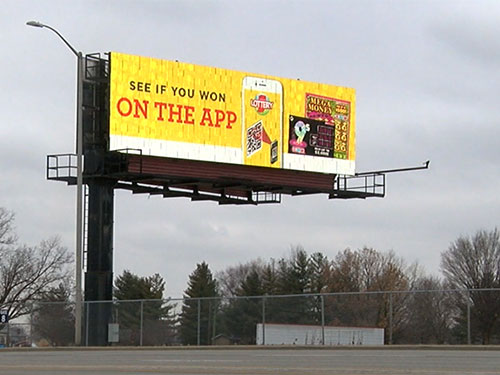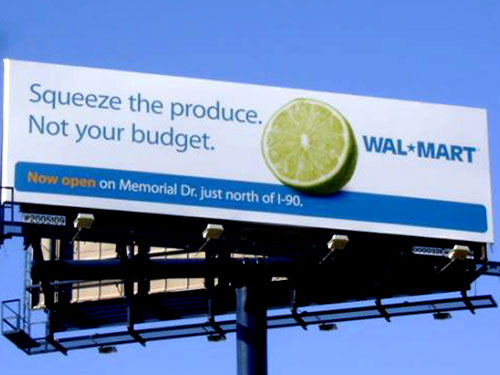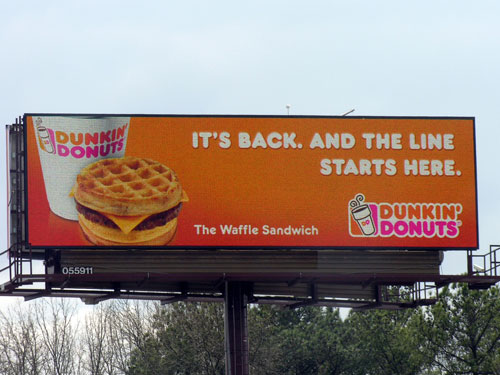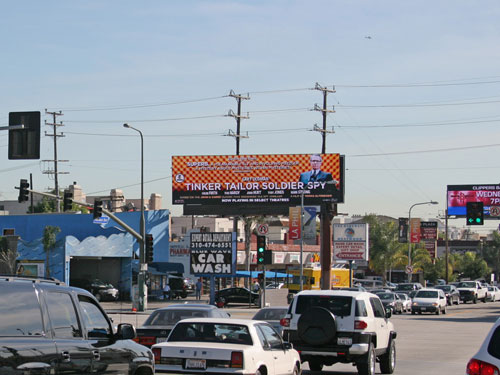
Map of Cincinnati Billboards

Zoom in/out on map to see more.


Cincinnati, OH Billboard Advertising Rates

  • $5,000 minimum spend which may be spread over displays and periods.
  • Get pricing: Pricing
Format Rate / Period (4 wks, est.) Avg. Imps (Age 18+) CPM (est.)
Bulletin (Large Billboard) Static $3,000–$6,000 506,021 $6–$12
Digital Bulletin (Large Digital Billboard) Digital $4,000–$7,000 989,111 $4–$7
Poster (Medium Billboard) Static $700–$1,200 227,181 $3–$5
Digital Poster (Medium Digital Billboard) Digital $1,000–$2,000 219,509 $5–$9

The Cincinnati DMA spans Hamilton, Butler, Warren, Clermont, and surrounding counties across southwestern Ohio and northern Kentucky, with 2,309 billboard faces tracked across the market.

Billboard advertising in Cincinnati starts at $700 per 4-week period. Static poster billboards (medium format) average $950 per 4-week period ($700–$1,200). Static bulletin billboards average $4,500 per 4-week period ($3,000–$6,000) and digital bulletin billboards average $5,500 per 4-week period ($4,000–$7,000).

Billboard advertising in Cincinnati has CPMs starting at $3 per 4-week period. Static poster billboard CPMs average $4 ($3–$5) per 4-week period. Static bulletin billboard CPMs average $9 ($6–$12) and digital bulletin billboard CPMs average $6 ($4–$7).

Billboard density is highest along I-75 (6 faces), US-50 (4 faces), and OH-125 (4 faces). The Cincinnati DMA extends across southwestern Ohio and into Boone, Kenton, and Campbell counties in northern Kentucky, reaching a bi-state audience along the Ohio River corridor.


Cincinnati, OH Billboard Market Snapshot

The Cincinnati, OH billboard market tracked by Blue Line Media includes 2,309 billboard faces, comprising 102 digital (LED) and 2,207 static (printed/mesh) displays. Billboard coverage spans 5+ counties, with the heaviest concentration in Hamilton County, Butler County, Clermont County, Dearborn County and Brown County. The market delivers approximately 199,248,657 weekly impressions (age 18+), equivalent to approximately 796,994,628 impressions over a standard 4-week campaign period.


Inventory by Location Type — Cincinnati, OH

Urban — 78%
Suburban — 0%
Rural — 22%

Board Count by County — Cincinnati, OH

CountyBillboard Faces
Hamilton County 1,382
Butler County 154
Clermont County 128
Dearborn County 87
Brown County 86

Top Roads by Billboard Density — Cincinnati, OH

Road / CorridorBillboard Faces
I-75 6
US-50 4
OH-125 4
US-68 4
OH-73 4

Sample Billboard Inventory — Cincinnati, OH

Location / Road Format Direction 4-Week Imps (Age 18+)
MASON-MONTGOMERY (TRI-VISION) WL 670' N/O I-71 Static Bulletin N 6,257,304
MASON-MONTGOMERY (TRI-VISION) WL 670' N/O I-71 NF Static Bulletin N 6,225,444
Martin Luther King Dr 600' W/O Reading Rd SS FE Digital Bulletin E 3,783,056
MASON-MONTGOMERY (TRI-VISION) WL 670' N/O I-71 SF Static Bulletin S 3,652,636
I-75 Wallscape E 3,418,268
I-71 10' N/O Elsinore Place WS FN Static Bulletin N 2,471,828
Sycamore St 75' N/O Third St WS FS Static Bulletin S 2,457,728
I-71 EL 250 N/O LINCOLN NF Static Bulletin N 2,386,004

Cincinnati, OH Billboard Advertising Market Data

No. of Billboards 2,309
Roads I-75 (6 faces) — The primary north–south interstate through the Cincinnati DMA, running directly through the urban core and extending north through Dayton and south across the Ohio River into Kentucky — the highest-named-face-count corridor in the market and essential for broad metro and cross-state reach. US-50 (4 faces) — A major east–west arterial through the Cincinnati DMA serving communities in Clermont, Brown, and Adams counties to the east and southeast, with strong rural and small-town audience reach along the southern Ohio corridor. OH-125 (4 faces) — A key suburban corridor running east–west through Anderson Township and Clermont County southeast of Cincinnati, serving growing residential and retail audiences in the eastern DMA fringe. US-68 (4 faces) — A north–south highway through Clinton and Highland counties north of Cincinnati, connecting the metro to Wilmington and reaching agricultural and small-town audiences in the northern DMA. OH-73 (4 faces) — An east–west corridor through Warren and Clermont counties northeast of the metro, serving suburban growth communities including Waynesville and Springboro along the northern DMA edge. Additional billboard coverage is available along I-71 (the primary corridor to Columbus and Louisville), I-275 (the Cincinnati beltway circling the northern and eastern metro), I-471 (connecting downtown Cincinnati to northern Kentucky), I-74 (the northwest corridor toward Indianapolis), US-27, US-42, and surface streets throughout the Cincinnati metro and surrounding counties.
Attractions and Neighborhoods Great American Ball Park, Paycor Stadium, Cincinnati Art Museum, Cincinnati Zoo & Botanical Garden, National Underground Railroad Freedom Center, Music Hall; Over-the-Rhine, Downtown, Hyde Park, Mount Lookout, Mount Adams, Oakley, Clifton, Westwood, Price Hill, Northside, Madisonville, Avondale, Kennedy Heights, Anderson Township, Blue Ash, Mason, West Chester, Fairfield, Middletown (Butler County); Covington, Newport, Florence (Northern Kentucky); Milford, Loveland, Batavia (Clermont County)
Population 2,300,000
DMA No. 34
Race White 82%
Black 10%
Hispanic 4%
Asian / Other 4%
Median Income $63,000
Median Age 38
Zip Codes 41073 45201 45202 45203 45204 45205 45206 45207 45208 45209 45211 45212 45213 45214 45215 45216 45217 45219 45220 45221 45222 45223 45224 45225 45226 45227 45229 45230 45232 45233 45234 45237 45238 45239 45248 45250 45263 45264 45267 45268 45269 45270 45271 45273 45274 45296 45298 45299

Billboard Advertising FAQ — Cincinnati, OH

How much does billboard advertising cost in Cincinnati, OH?

Billboard advertising in Cincinnati starts at $700 per 4-week period. Static poster billboards (medium format) average $950 per 4-week period ($700–$1,200). Static bulletin billboards (large format, 14'×48') average $4,500 per 4 weeks ($3,000–$6,000). Digital bulletin billboards (LED, large format) average $5,500 per 4 weeks ($4,000–$7,000). A $5,000 minimum spend applies and may be spread across multiple boards and flight periods. Premium locations — including major I-75 interchanges through downtown Cincinnati and the I-71/I-275 interchange corridors — may be priced above these ranges depending on availability.

What is the CPM for billboard advertising in Cincinnati, OH?

Billboard advertising in Cincinnati has CPMs starting at $3 per 4-week period. Static poster billboards (medium billboards) average $4 CPM ($3–$5) per 4-week period. Static bulletin billboards (large billboards, 14'×48') average $9 CPM ($6–$12). Digital bulletin billboards average $6 CPM ($4–$7). Digital poster billboards average $7 CPM ($5–$9). CPMs are calculated using the average 4-week impressions (age 18+) for each format across all 2,309 billboard faces in the Cincinnati DMA.

How often will people see my billboard in Cincinnati, OH?

A static bulletin in Cincinnati delivers an average of 506,021 impressions (age 18+) over a 4-week campaign period. A digital bulletin delivers an average of 989,111 impressions over the same period. Commuters on major corridors like I-75, I-71, and I-275 typically pass the same billboard multiple times per week, making billboards one of the highest-frequency media formats available. Across all 2,309 billboard faces in the Cincinnati DMA, the market delivers approximately 796,994,628 total impressions per 4-week period.

What are the best roads for billboard advertising in Cincinnati, OH?

The highest-density billboard corridors in the Cincinnati DMA are I-75 (6 faces), US-50 (4 faces), OH-125 (4 faces), US-68 (4 faces), and OH-73 (4 faces). I-75 is the dominant billboard corridor in the Cincinnati DMA, running directly through the urban core north–south and crossing the Ohio River into Kentucky — it provides the broadest metro reach of any single corridor and is the first priority for advertisers targeting the full Cincinnati bi-state market. US-50 extends east through Clermont, Brown, and Adams counties, offering rural and small-town audience reach with limited competitive clutter along the southeastern DMA. OH-125 serves growing residential and retail audiences in Anderson Township and Clermont County, reaching suburban family demographics east of the city. US-68 connects the metro to Wilmington and Clinton County audiences north of Cincinnati, serving agricultural and small-town markets along the northern DMA corridor. OH-73 runs through Warren and Clermont counties, reaching suburban growth communities including Waynesville and Springboro northeast of the metro. Additional billboard coverage is available along I-71 (the primary corridor to Columbus and Louisville), I-275 (the Cincinnati beltway circling the northern and eastern metro), I-471 (connecting downtown Cincinnati to northern Kentucky), I-74 (the northwest corridor toward Indianapolis), US-27, US-42, and surface streets throughout the Cincinnati metro and surrounding counties.

How many billboards are in Cincinnati, OH?

The Cincinnati DMA contains 2,309 billboard faces tracked by Blue Line Media across Hamilton, Butler, Warren, Clermont, and surrounding counties in Ohio and northern Kentucky. Of these, 102 are digital (LED) and 2,207 are static (printed/mesh), spanning bulletin and poster formats. Billboard coverage reaches 5+ counties in the DMA, with the highest concentrations in Hamilton County, which contains the Cincinnati urban core and the majority of the metro’s billboard inventory, and Butler County, which includes the high-density suburban and commercial corridors of Middletown, Hamilton, and West Chester.

What types of billboards are available in Cincinnati, OH?

Cincinnati billboard inventory includes static bulletins (large format, 14'×48'), digital bulletins (LED, large format), static posters (medium format), digital posters, junior posters, and wallscapes. Of the 2,309 faces in the Cincinnati DMA, 102 are digital (LED) and 2,207 are static (printed/mesh). 78% of inventory is in urban and urban business locations, 0% suburban, and 22% rural, offering flexible targeting across Cincinnati audience densities.

When is the best time to advertise on billboards in Cincinnati, OH?

Peak demand in Cincinnati runs from August through November, driven by Cincinnati Bengals NFL season, University of Cincinnati and Xavier basketball pre-season, back-to-school retail activity, and pre-holiday consumer spending. Spring (March through May) also sees strong demand as outdoor activity increases and the MLB season begins at Great American Ball Park. The slower window of January through early February typically offers better availability and potential negotiating leverage for cost-conscious campaigns. Key local events driving billboard demand include Bengals home games at Paycor Stadium, Cincinnati Reds baseball, the Cincinnati Music Festival (July), the Flying Pig Marathon (May), and Oktoberfest Zinzinnati (September). A 2–3 week lead time is recommended for most placements; high-traffic I-75 and downtown corridor locations near Paycor Stadium may book earlier during Bengals season.

How does billboard advertising work in Cincinnati, OH?

Getting started with billboard advertising in Cincinnati is straightforward:

  1. Get a quote — Tell Blue Line Media your target area, budget, and campaign dates.
  2. Choose your billboard — Blue Line Media recommends available billboard locations matching your audience and flight.
  3. Provide creative or use our free design service.
  4. Go live — Boards are posted and your campaign runs for your contracted flight period.

What size are billboards in Cincinnati, OH?

Billboard sizes in Cincinnati follow industry-standard dimensions. Static bulletin billboards (large format) measure 14 feet high by 48 feet wide (14'×48'). Static poster billboards (medium format) measure 10.5 feet high by 22.75 feet wide (10.5'×22.75'). Digital bulletin billboards and digital poster billboards share the same dimensions as their static counterparts.

How far in advance do I need to book billboard advertising in Cincinnati, OH?

As soon as possible, because advertising is sold on a first come, first served basis. Availability changes daily as campaigns book and end.

Creative Due Dates:

  • Static (Print): 2–3 weeks prior to ad start date. May be reduced in certain cases.
  • Digital: 3 business days prior to ad start date.

Can I target specific neighborhoods or areas with billboard advertising in Cincinnati, OH?

Yes. The Cincinnati DMA offers distinct sub-market targeting across multiple areas. Downtown Cincinnati and the Over-the-Rhine district provide dense urban reach near major employers, Great American Ball Park, and the entertainment corridor along Vine Street and Central Parkway. The I-71 and I-275 northeastern corridors serve affluent suburban households in Mason, Blue Ash, and Anderson Township. In northern Kentucky, the I-75 and I-471 corridors through Covington and Florence reach cross-river audiences in Boone and Kenton counties. The West Chester and Fairfield corridors along I-75 north serve the metro’s fastest-growing suburban and commercial audiences in Butler County. The US-50 and OH-125 southeastern corridors extend reach into Clermont County’s rural and exurban communities along the Ohio River.

What are the most popular billboard locations in Cincinnati, OH?

Among the most-viewed billboard corridors in the Cincinnati DMA are I-75, the primary north–south interstate running directly through the urban core and crossing the Ohio River into northern Kentucky (6 faces), US-50, an east–west arterial reaching Clermont, Brown, and Adams county audiences southeast of the metro (4 faces), OH-125, a suburban corridor serving growing residential and retail audiences in Anderson Township and Clermont County (4 faces), US-68, a north–south highway connecting the metro to Wilmington and Clinton County agricultural and small-town audiences (4 faces), and OH-73, an east–west corridor through Warren and Clermont counties reaching suburban growth communities northeast of the metro (4 faces). Blue Line Media can recommend specific billboard positions on these and other corridors based on current availability.

Blue Line Media logo

Copyright 2026 Blue Line Media Inc

Not all images represent ads placed by Blue Line Media. Images may be subject to copyright. Names and trade and service marks are property of their owners and are not intended to endorse Blue Line Media.

In accordance with its Accessibility Statement, Blue Line Media is committed to ensuring accessibility of its website. To report an accessibility issue, request accessibility assistance regarding website content, or to request a specific electronic format, please contact the accessibility coordinator at 800-807-0360 or complete the form. Reasonable efforts will be made to accommodate all needs.

By using this website, you consent to the placement and storing of cookies on your computer by this website. These cookies are used to collect information about how you interact with our website and allow us to remember you. We use this information in order to improve and customize your browsing experience and for analytics and metrics about our visitors both on this website and other media. To find out more about the cookies we use, see our Privacy Policy.

The Geopath Audience Location Measurement data is provided by the GeoPath, Inc. New York, New York. © Copyright 2026 All Rights Reserved.

Certain info and images may be AI-generated. Double-check important info and images.

BACK TO TOP