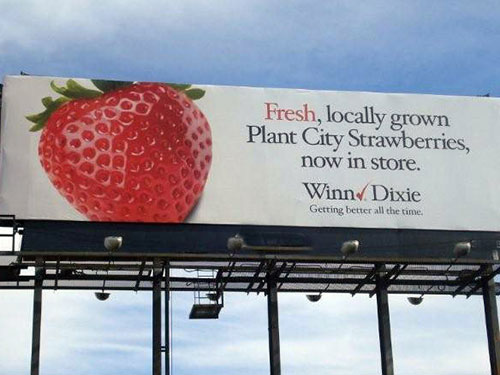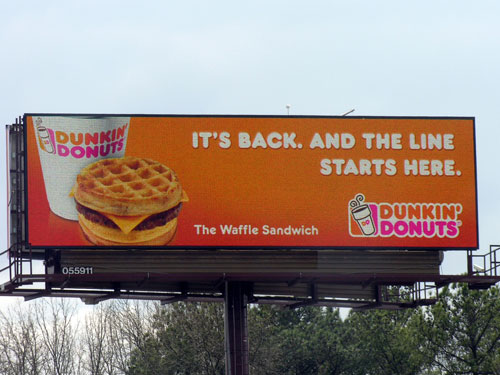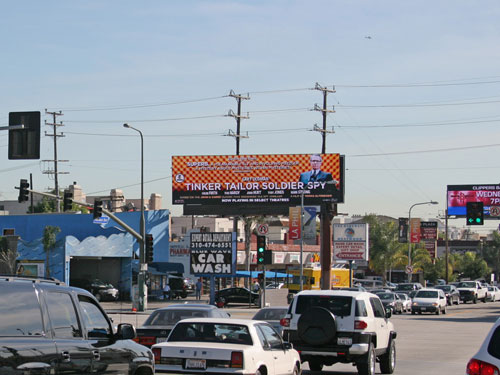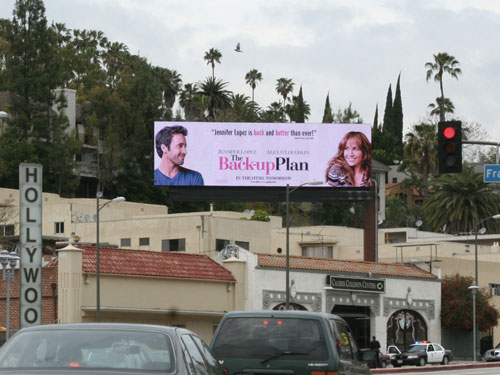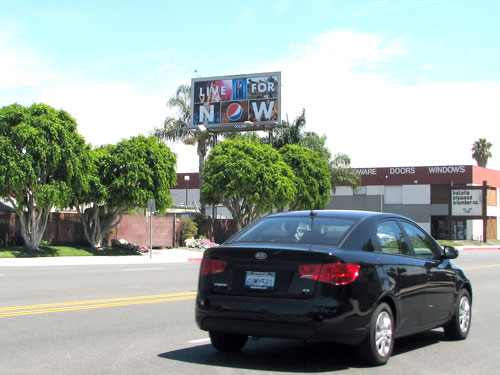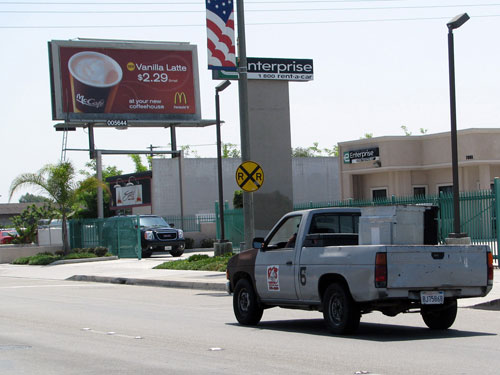
Map of Charleston and Huntington Billboards

Zoom in/out on map to see more.


Charleston and Huntington, WV Billboard Advertising Rates

  • $5,000 minimum spend which may be spread over displays and periods.
  • Get pricing: Pricing
Format Rate / Period (4 wks, est.) Avg. Imps (Age 18+) CPM (est.)
Bulletin (Large Billboard) Static $2,350–$4,000 214,961 $11–$19
Digital Bulletin (Large Digital Billboard) Digital $2,350–$4,000 321,851 $7–$12
Poster (Medium Billboard) Static $500–$1,000 159,425 $3–$6
Digital Poster (Medium Digital Billboard) Digital $1,500–$2,000 125,132 $12–$16

The Charleston-Huntington DMA covers Kanawha, Cabell, Wayne, Boone, Logan, Mingo, Lincoln, Nicholas, and surrounding counties across West Virginia, with 2,796 billboard faces tracked across the market.

Billboard advertising in Charleston and Huntington starts at $500 per 4-week period. Static poster billboards (medium format) average $750 per 4-week period ($500–$1,000). Static bulletin billboards average $3,175 per 4-week period ($2,350–$4,000) and digital bulletin billboards average $3,175 per 4-week period ($2,350–$4,000).

Billboard advertising in Charleston and Huntington has CPMs starting at $3 per 4-week period. Static poster billboard CPMs average $5 ($3–$6) per 4-week period. Static bulletin billboard CPMs average $15 ($11–$19) and digital bulletin billboard CPMs average $10 ($7–$12).

Charleston-Huntington billboard inventory includes static and digital formats across bulletin (large format) and poster (medium format) sizes, with 62 digital and 2,734 static faces available across the DMA. Billboard density is highest along US Route 19 (72 faces), Interstate 79 (43 faces), Interstate 77 (14 faces), US Route 119 / Corridor G (14 faces), and Interstate 64 (12 faces).


Charleston and Huntington, WV Billboard Market Snapshot

The Charleston and Huntington, WV billboard market tracked by Blue Line Media includes 2,796 billboard faces, comprising 62 digital (LED) and 2,734 static (printed/mesh) displays. Billboard coverage spans 5+ counties, with the heaviest concentration in Kanawha County, Cabell County, Pike County, Boyd County and Floyd County. The market delivers approximately 128,269,561 weekly impressions (age 18+), equivalent to approximately 513,078,244 impressions over a standard 4-week campaign period.


Inventory by Location Type — Charleston and Huntington, WV

Urban — 40%
Suburban — 0%
Rural — 60%

Board Count by County — Charleston and Huntington, WV

CountyBillboard Faces
Kanawha County 469
Cabell County 281
Pike County 220
Boyd County 178
Floyd County 146

Top Roads by Billboard Density — Charleston and Huntington, WV

Road / CorridorBillboard Faces
US Route 19 72
Interstate 79 43
Interstate 77 14
US Route 119 / Corridor G 14
Interstate 64 12

Sample Billboard Inventory — Charleston and Huntington, WV

Location / Road Format Direction 4-Week Imps (Age 18+)
309 REAR 32ND STREET, HUNTINGTON Static Bulletin E 2,338,048
I-77 @ MACCORKLE AVE. Static Bulletin SW 1,177,856
I-64/77 Near Nelson Transfer Static Bulletin E 1,051,480
Parking Lot 1007 Bigley Avenue Static Bulletin E 1,018,580
Expressway Near Preiser Co Static Bulletin E 941,488
I-77/64 Static Bulletin W 933,096
I-64/77 1235 Piedmont Road Static Bulletin SE 921,320
MACCORKLE AVE @ PATRICK STREET BRIDGE !!!!!CSX PORTAL WILL HAVE TO BE DONE BEFORE INSTALL Static Bulletin W 908,868

Charleston and Huntington, WV Billboard Advertising Market Data

No. of Billboards 2,796
Roads US Route 19 (72 faces) — the highest-density billboard corridor in the Charleston-Huntington DMA, running north–south through central West Virginia from the Kanawha Valley through Nicholas and Webster counties toward Summersville and the Appalachian interior — the primary commercial highway of rural central West Virginia, reaching small-city, rural, and inland mountain community audiences. Interstate 79 (43 faces) — the primary north–south interstate through the Charleston-Huntington DMA, running from Charleston north through Clarksburg and Morgantown toward Pittsburgh — the major interstate spine of the northern WV market, reaching state capital, university corridor, and Pittsburgh-bound commuter and freight audiences. Interstate 77 (14 faces) — the primary north–south interstate running through the eastern side of the Charleston DMA, connecting Charleston south through Beckley and Bluefield toward Charlotte and the Carolinas via the West Virginia Turnpike — the primary southern corridor of the DMA, reaching coalfield communities, southern WV residential, and through-freight audiences. US Route 119 / Corridor G (14 faces) — the primary surface expressway running from Charleston south through Logan and Mingo counties toward Williamson and the Kentucky border — the primary connector to the southern coalfield communities, reaching mining and energy workforce, rural residential, and Kanawha County commuter audiences. Interstate 64 (12 faces) — the primary east–west interstate through the Charleston-Huntington DMA, running from the Virginia border west through Charleston, the Teays Valley, and the Huntington metro and continuing into Kentucky at Ashland — the essential corridor linking the two DMA anchor cities, reaching state capital, suburban Kanawha Valley, and Huntington metro audiences. Additional coverage on US Route 60, West Virginia Route 52, US Route 50, and US Route 35.
Attractions and Neighborhoods WV State Capitol Complex, Capitol Market, Clay Center for the Arts & Sciences, WV State Museum, Charleston Coliseum & Convention Center, Yeager Airport; Charleston neighborhoods: East End, West Side, South Hills, Kanawha City, North Charleston, Elk City, Edgewood, Fort Hill, Oakwood, Kanawha Boulevard, Louden Heights, Mink Shoals; Huntington neighborhoods: Downtown, Southside, Highlawn, Guyandotte, Enslow Park, Fairfield, Central City, Ritter Park, Spring Valley, Ceredo-Kenova; Marshall University (Huntington), West Virginia State University (Institute); South Charleston, St. Albans, Nitro, Cross Lanes, Teays Valley, Hurricane, Putnam County; Beckley, Oak Hill (Raleigh County); Logan, Madison (Logan/Boone County)
Population 800,000
DMA No. 65
Race White 92%
Black 4%
Hispanic 2%
Asian / Other 2%
Median Income $48,000
Median Age 42
Zip Codes 25301 25302 25303 25304 25305 25309 25311 25314 25317 25321 25322 25323 25324 25325 25326 25327 25328 25329 25330 25331 25332 25333 25334 25335 25336 25337 25338 25339 25350 25357 25358 25361 25362 25364 25375 25387 25389 25392 25396

Billboard Advertising FAQ — Charleston and Huntington, WV

How much does billboard advertising cost in Charleston and Huntington, WV?

Billboard advertising in Charleston and Huntington starts at $500 per 4-week period. Static poster billboards (medium format) average $750 per 4-week period ($500–$1,000). Static bulletin billboards (large format, 14'×48') average $3,175 per 4 weeks ($2,350–$4,000). Digital bulletin billboards (LED, large format) average $3,175 per 4 weeks ($2,350–$4,000). A $5,000 minimum spend applies and may be spread across multiple boards and flight periods. Premium locations — including I-64/I-77/I-79 interchange positions in the Charleston urban core and Corridor G (US-119) positions serving the South Charleston commercial corridor — may be priced above these ranges depending on availability.

What is the CPM for billboard advertising in Charleston and Huntington, WV?

Billboard advertising in Charleston and Huntington has CPMs starting at $3 per 4-week period. Static poster billboards (medium billboards) average $5 CPM ($3–$6) per 4-week period. Static bulletin billboards (large billboards, 14'×48') average $15 CPM ($11–$19). Digital bulletin billboards average $10 CPM ($7–$12). Digital poster billboards average $14 CPM ($12–$16). CPMs are calculated using the average 4-week impressions (age 18+) for each format across all 2,796 billboard faces in the Charleston-Huntington DMA.

How often will people see my billboard in Charleston and Huntington, WV?

A static bulletin in Charleston and Huntington delivers an average of 214,961 impressions (age 18+) over a 4-week campaign period. A digital bulletin delivers an average of 321,851 impressions over the same period. Commuters on major corridors like US Route 19, Interstate 79, and Interstate 64 typically pass the same billboard multiple times per week, making billboards one of the highest-frequency media formats available. Across all 2,796 billboard faces in the Charleston-Huntington DMA, the market delivers approximately 513,078,244 total impressions per 4-week period.

What are the best roads for billboard advertising in Charleston and Huntington, WV?

The highest-density billboard corridors in the Charleston-Huntington DMA are US Route 19 (72 faces), Interstate 79 (43 faces), Interstate 77 (14 faces), US Route 119 / Corridor G (14 faces), and Interstate 64 (12 faces). Additional coverage on US Route 60, West Virginia Route 52, US Route 50, and US Route 35.

How many billboards are in Charleston and Huntington, WV?

The Charleston-Huntington DMA contains 2,796 billboard faces tracked by Blue Line Media across Kanawha County, Cabell County, Wayne County, Boone County, Logan County, Mingo County, Lincoln County, Nicholas County, and surrounding counties in West Virginia. Of these, 62 are digital (LED) and 2,734 are static (printed/mesh), spanning bulletin and poster formats. Billboard coverage reaches 5+ counties in the DMA, with the highest urban concentrations in Kanawha County (Charleston, South Charleston, St. Albans) and Cabell County (Huntington), and the largest rural inventory volumes along the US-19 and US-119 highway corridors through the central and southern WV mountain counties.

What types of billboards are available in Charleston and Huntington, WV?

Charleston and Huntington billboard inventory includes static bulletins (large format, 14'×48'), digital bulletins (LED, large format), static posters (medium format) and digital posters. Of the 2,796 faces in the Charleston-Huntington DMA, 62 are digital (LED) and 2,734 are static (printed/mesh). 40% of inventory is in urban and urban business locations, 0% suburban, and 60% rural, offering flexible targeting across Charleston and Huntington audience densities.

When is the best time to advertise on billboards in Charleston and Huntington, WV?

The Charleston-Huntington DMA has strong year-round outdoor advertising demand driven by the healthcare, legal, energy, and state government sectors, with seasonal peaks tied to community events and college sports. The fall peak runs August through November. Marshall University Thundering Herd football (home games in Huntington, September–November) drives the highest consumer activity in the Huntington sub-market and generates strong billboard demand along the US-60 and I-64 Huntington corridors in the weeks leading into the season. The WV State Fair (Lewisburg, late August/early September) draws statewide attendance and increases visibility across the Kanawha Valley and Greenbrier corridor. Back-to-school season (late August) generates strong retail demand in the Charleston and Huntington commercial corridors. The spring peak runs January through May. Legislative session in Charleston (January–March) brings state government workers, lobbyists, and visitors to the state capital, driving peak billboard demand in the Charleston/Kanawha Valley corridor and reaching healthcare, legal, financial, and government-adjacent audiences. FestivALL Charleston (June) and the Charleston Regatta (summer) extend activity into the summer months. The energy and healthcare sectors provide consistent year-round B2B billboard demand across the rural coalfield corridors. Book 4–6 weeks ahead for Marshall football season positions on the US-60 and I-64 Huntington corridors.

How does billboard advertising work in Charleston and Huntington, WV?

Getting started with billboard advertising in Charleston and Huntington is straightforward:

  1. Get a quote — Tell Blue Line Media your target area, budget, and campaign dates.
  2. Choose your billboard — Blue Line Media recommends available billboard locations matching your audience and flight.
  3. Provide creative or use our free design service.
  4. Go live — Boards are posted and your campaign runs for your contracted flight period.

What size are billboards in Charleston and Huntington, WV?

Billboard sizes in Charleston and Huntington follow industry-standard dimensions. Static bulletin billboards (large format) measure 14 feet high by 48 feet wide (14'×48'). Static poster billboards (medium format) measure 10.5 feet high by 22.75 feet wide (10.5'×22.75'). Digital bulletin billboards and digital poster billboards share the same dimensions as their static counterparts.

How far in advance do I need to book billboard advertising in Charleston and Huntington, WV?

As soon as possible, because advertising is sold on a first come, first served basis. Availability changes daily as campaigns book and end.

Creative Due Dates:

  • Static (Print): 2–3 weeks prior to ad start date. May be reduced in certain cases.
  • Digital: 3 business days prior to ad start date.

Can I target specific neighborhoods or areas with billboard advertising in Charleston and Huntington, WV?

Yes. The Charleston-Huntington DMA offers distinct sub-market targeting across five areas. The Charleston state capital sub-market covers the WV State Capitol Complex, the Clay Center for the Arts & Sciences, and the Kanawha City and South Hills corridors. The South Charleston and Kanawha Valley sub-market reaches the South Charleston Town Center, Cross Lanes, and Teays Valley in Putnam County. The Huntington and Cabell County sub-market covers Marshall University, downtown Huntington, and the Ritter Park neighborhood along US-60. The southern coalfield sub-market reaches Beckley, Logan, and Williamson in the Logan, Mingo, Boone, and Raleigh county corridors. The central WV rural sub-market covers Summersville, Sutton, and Birch River along US-19 through Nicholas and Webster counties.

What are the most popular billboard locations in Charleston and Huntington, WV?

Among the most-viewed billboard corridors in the Charleston-Huntington DMA are US Route 19 (72 faces), Interstate 79 (43 faces), Interstate 77 (14 faces), US Route 119 / Corridor G (14 faces), and Interstate 64 (12 faces). Blue Line Media can recommend specific billboard positions on these and other corridors based on current availability.

Blue Line Media logo

Copyright 2026 Blue Line Media Inc

Not all images represent ads placed by Blue Line Media. Images may be subject to copyright. Names and trade and service marks are property of their owners and are not intended to endorse Blue Line Media.

In accordance with its Accessibility Statement, Blue Line Media is committed to ensuring accessibility of its website. To report an accessibility issue, request accessibility assistance regarding website content, or to request a specific electronic format, please contact the accessibility coordinator at 800-807-0360 or complete the form. Reasonable efforts will be made to accommodate all needs.

By using this website, you consent to the placement and storing of cookies on your computer by this website. These cookies are used to collect information about how you interact with our website and allow us to remember you. We use this information in order to improve and customize your browsing experience and for analytics and metrics about our visitors both on this website and other media. To find out more about the cookies we use, see our Privacy Policy.

The Geopath Audience Location Measurement data is provided by the GeoPath, Inc. New York, New York. © Copyright 2026 All Rights Reserved.

Certain info and images may be AI-generated. Double-check important info and images.

BACK TO TOP